
On nature, experimenting and being willing to expand one’s horizons.
For Sharu Binnong Sikdar, the value of making art lies in the labour of the process rather than the outcome. It starts with foraging and gathering organic materials: leaves, tree branches, and other foliage, often over several trips. Then comes the washing, drying, sometimes even boiling or peeling. She describes the process to be almost meditative, as well as a deeply introspective but no less necessary part of her practice. To her, the process is an integral part of her approach to making art, and taking a faster shortcut would feel mass-produced and fundamentally different.
“People have always commented, ‘Have you tried easier solutions? Or ways to make the process quicker?’, but my intention has always been to show the process. To show the value of taking your time and working slowly, to accept that you have to go through repetitive tasks or processes.”
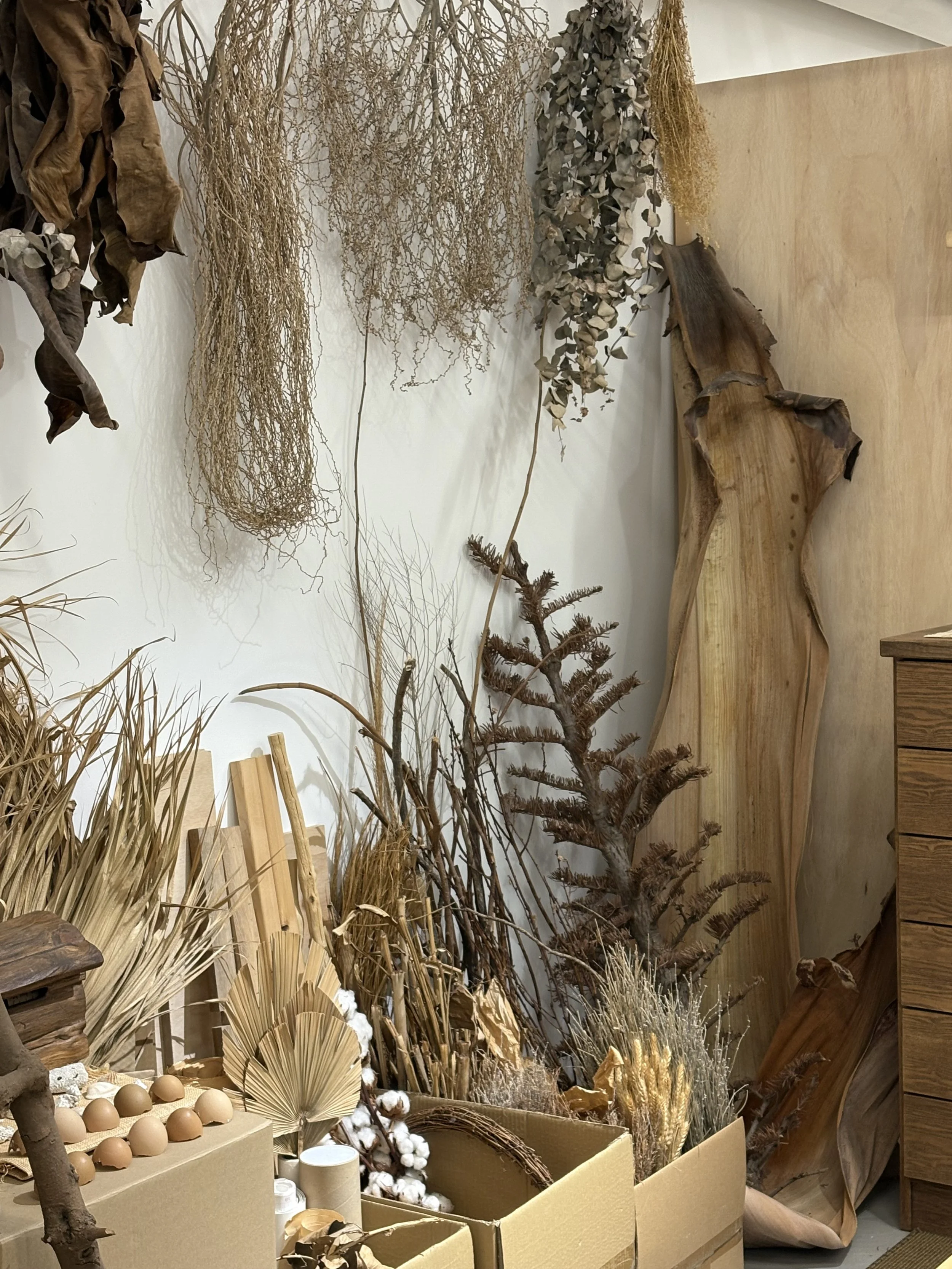
Sikdar’s studio at HART HAUS.
Much of Sikdar’s work revolves around nature. While trained in painting, she felt that something vital was still missing from the practice during her studies. Thus, she turned to her childhood memories to find deeper inspiration at her professors’ encouragement.
So she went exploring.
While her aforementioned formal training is in painting, her relationship with nature goes back even further. Her parents came to Hong Kong for work, but the family regularly visited the rural, mountainous regions of the Philippines. During the time she spent there as a child, clay, soil, and trees were part of everyday play. She wanted to carry this connection with nature into her art.
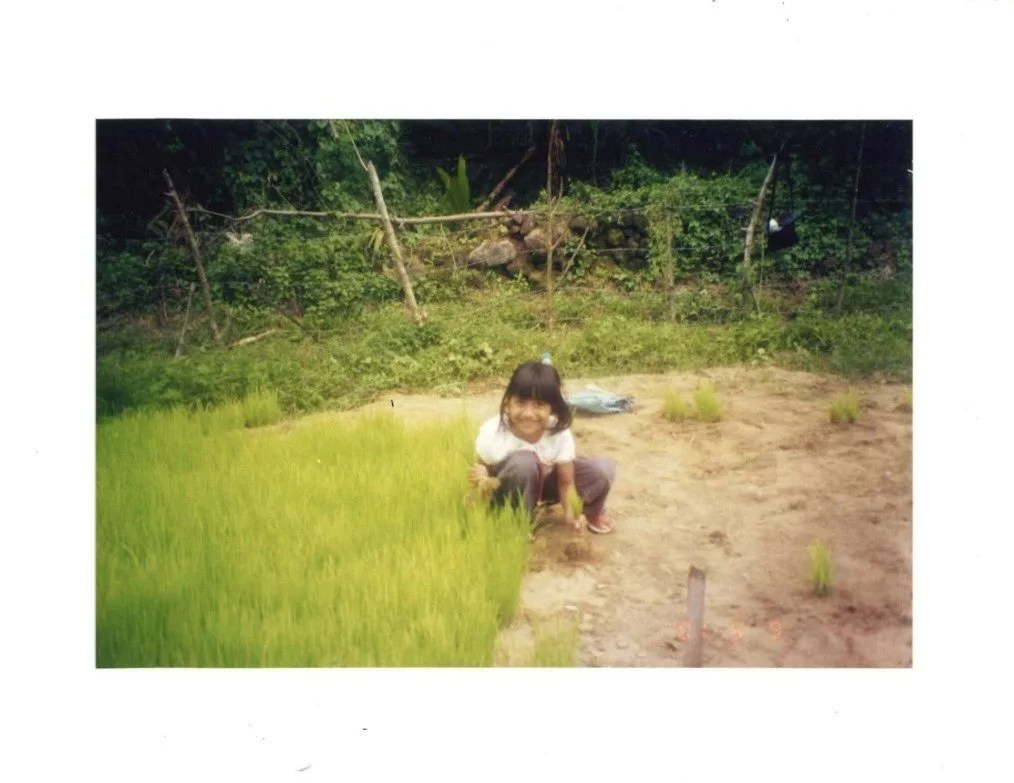
Sikdar in her childhood.
Her practice gradually shifted from paintings to three dimensional works that incorporate foraged materials such as tree branches, leaves, and pebbles, which she tries to keep “as natural as possible”. While her earlier paintings drew on the colours and textures of organic forms, experimenting with other materials gave her a more tactile way to explore these interests. In Growing Myself (2019-2020), for example, the artist spun and sewed her own hair into a series of standing wooden hoops.
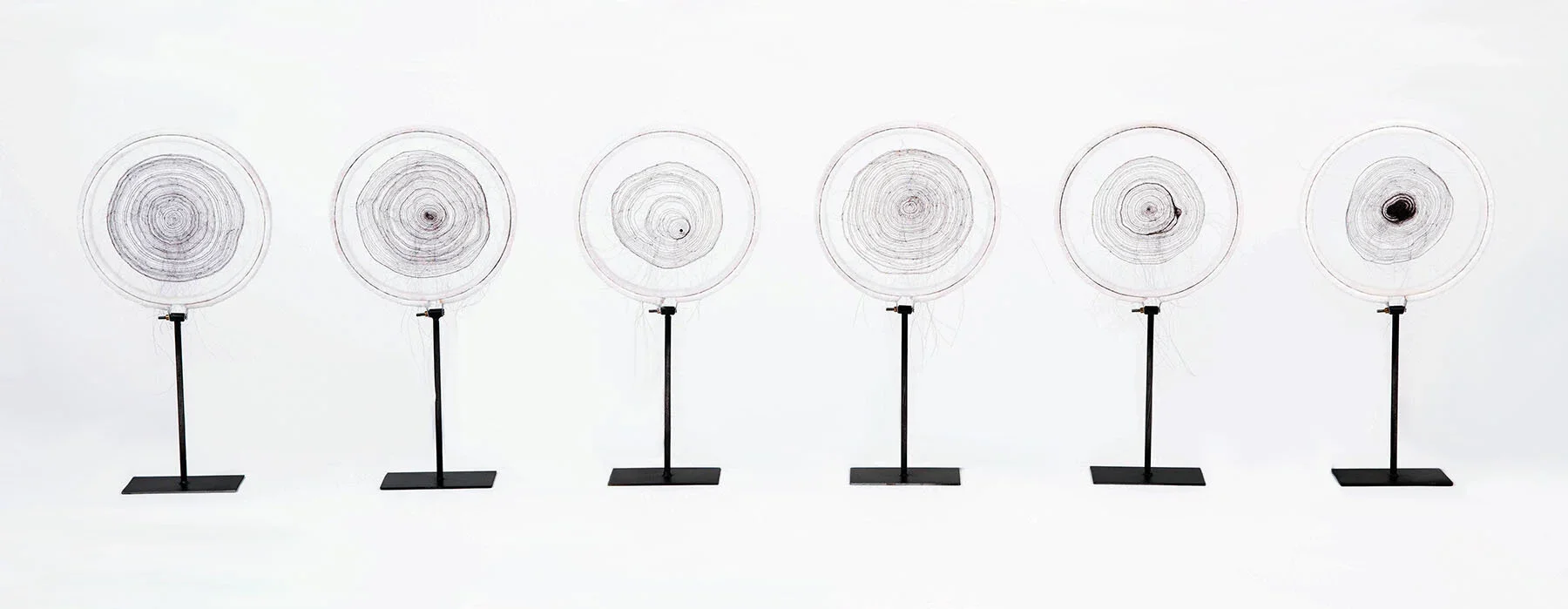
Growing Myself, 2019-2020
When asked about incorporating her hair in pieces such as Growing Myself (2019-2020), It Will Be Alright (2020), and Plant Myself for Better or Worse (2020), Sikdar identifies the pandemic as one of the main reasons behind this decision. “During COVID time,” she explains, “you can’t really go out as much, and I wanted to figure out a way to use materials other than leaves and branches, which I couldn’t use because I couldn’t go outside to collect them.” That same hair reminded her of tree leaves, connecting it to the other natural materials she had been collecting.
“Hair is also something that falls out from us as human beings, like how leaves fall from trees.”
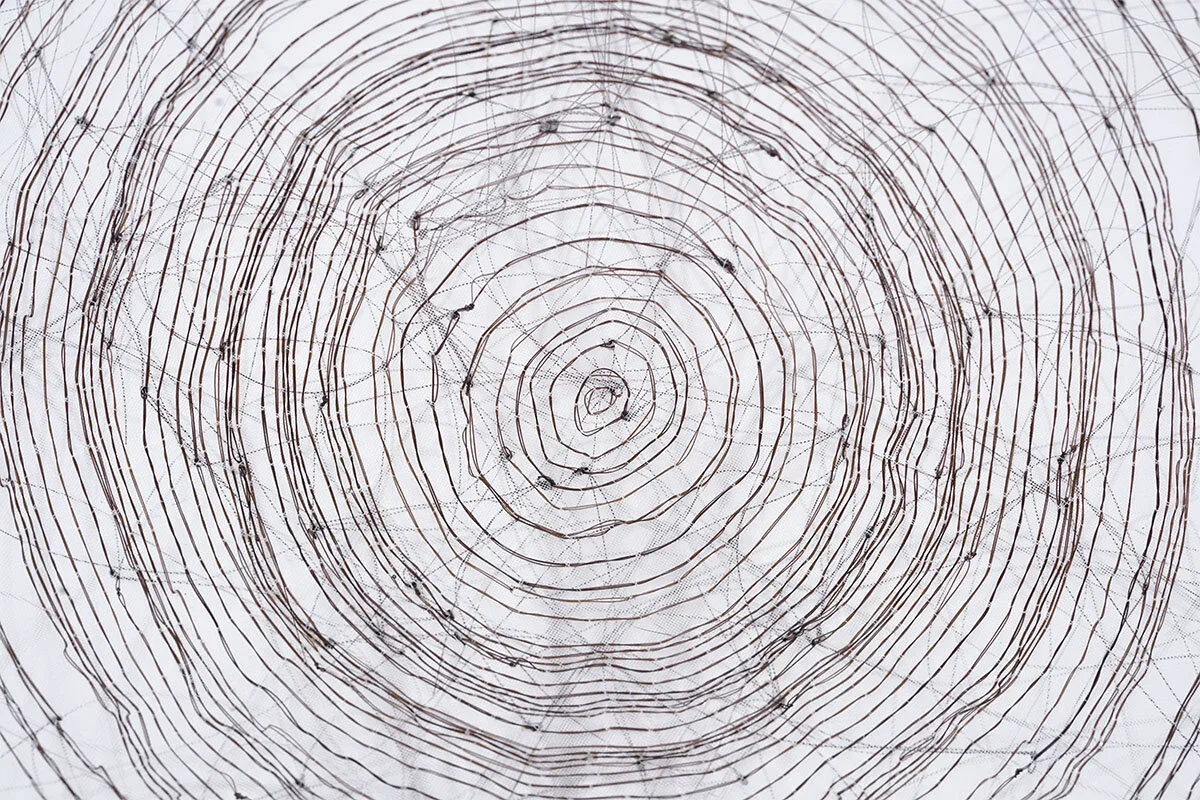
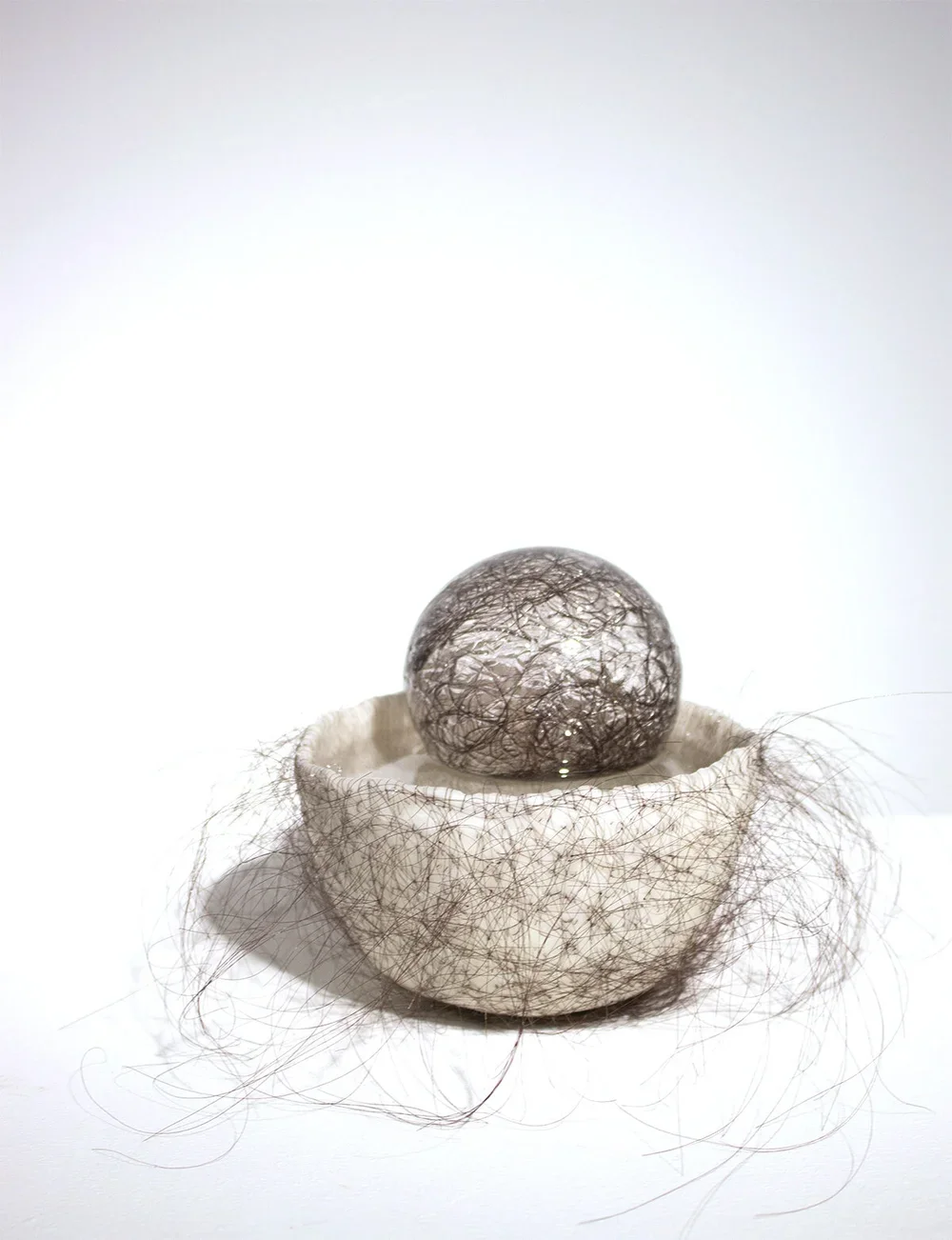
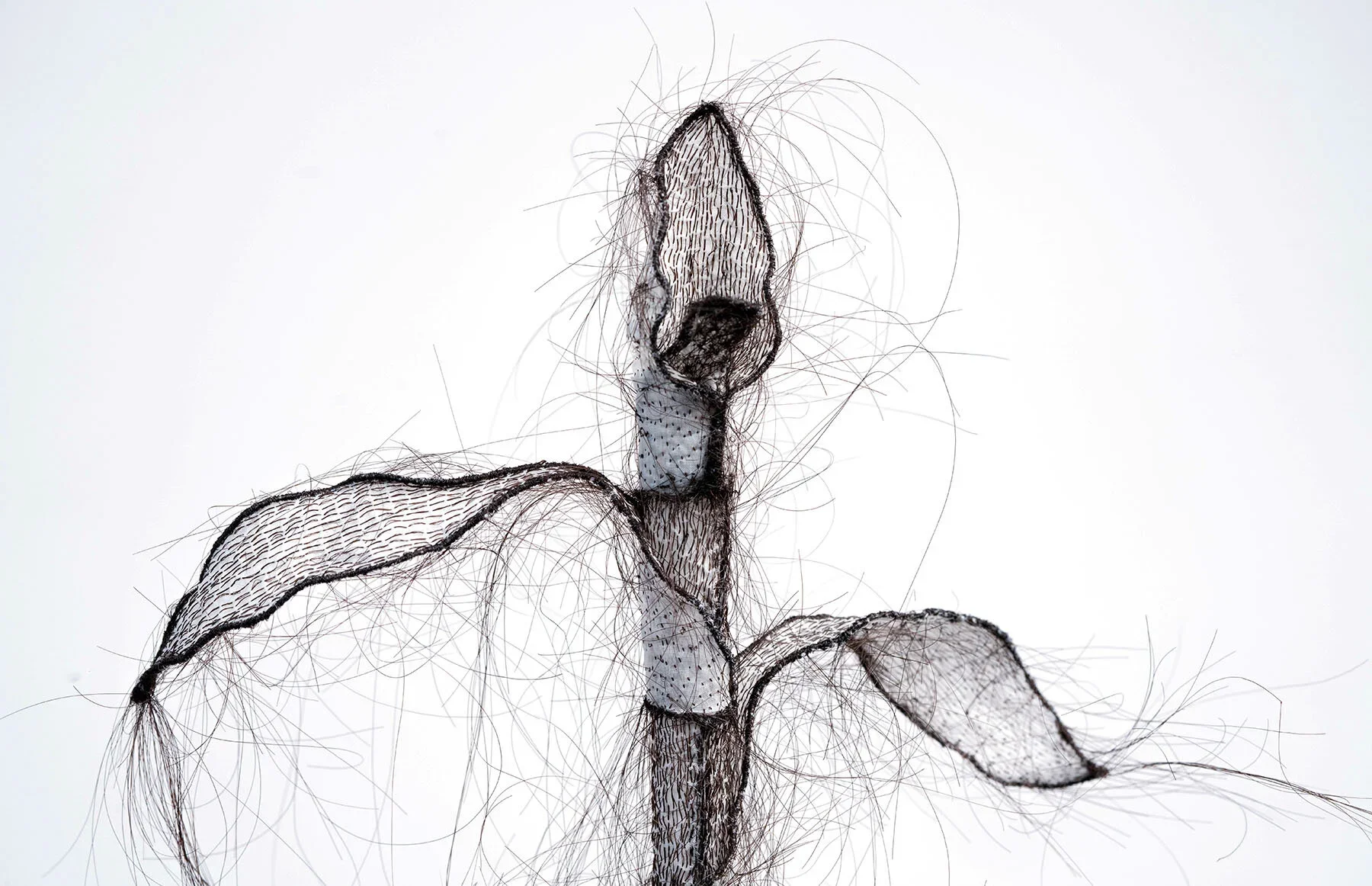
Hair also held a more personal significance. Sikdar describes using the amount of hairfall as an indicator of the amount of stress her body and mind were under during the lockdown, and it became a “starting point” for the use of mental growth as a running narrative in her art. From then on self-improvement and subsequently healing became a key element of her practice. Rather than treating shed hair as a sign of loss, she used it as a material for making something new. Sikdar’s pandemic passion project gave that hair a transformative quality to turn her work into a vessel for self-actualisation and healing.
To Sikdar, healing is not a straightforward path, and moving towards a sense of being okay often brings discomfort. One of Sikdar’s favourite projects, Stepping Stones Won’t Break My Bones (2026) , explores this experience. Viewers are encouraged to walk across the installation and treat it like a sensory experience; this makes it far more tactile than a typical art installation meant only for the visual experience, which is a major reason behind her fondness for the project in question. This work takes inspiration from reflexology or zone therapy, a pseudoscientific practice that aims to release tension and unblock energy flow through patients’ feet, as well as the familiar phrase ‘walking on eggshells’. Through the act of walking, it invites visitors to pay closer attention to their bodies and consider how they respond to discomfort. For Sikdar, this experience connects with the challenge of facing difficulties rather than avoiding them.
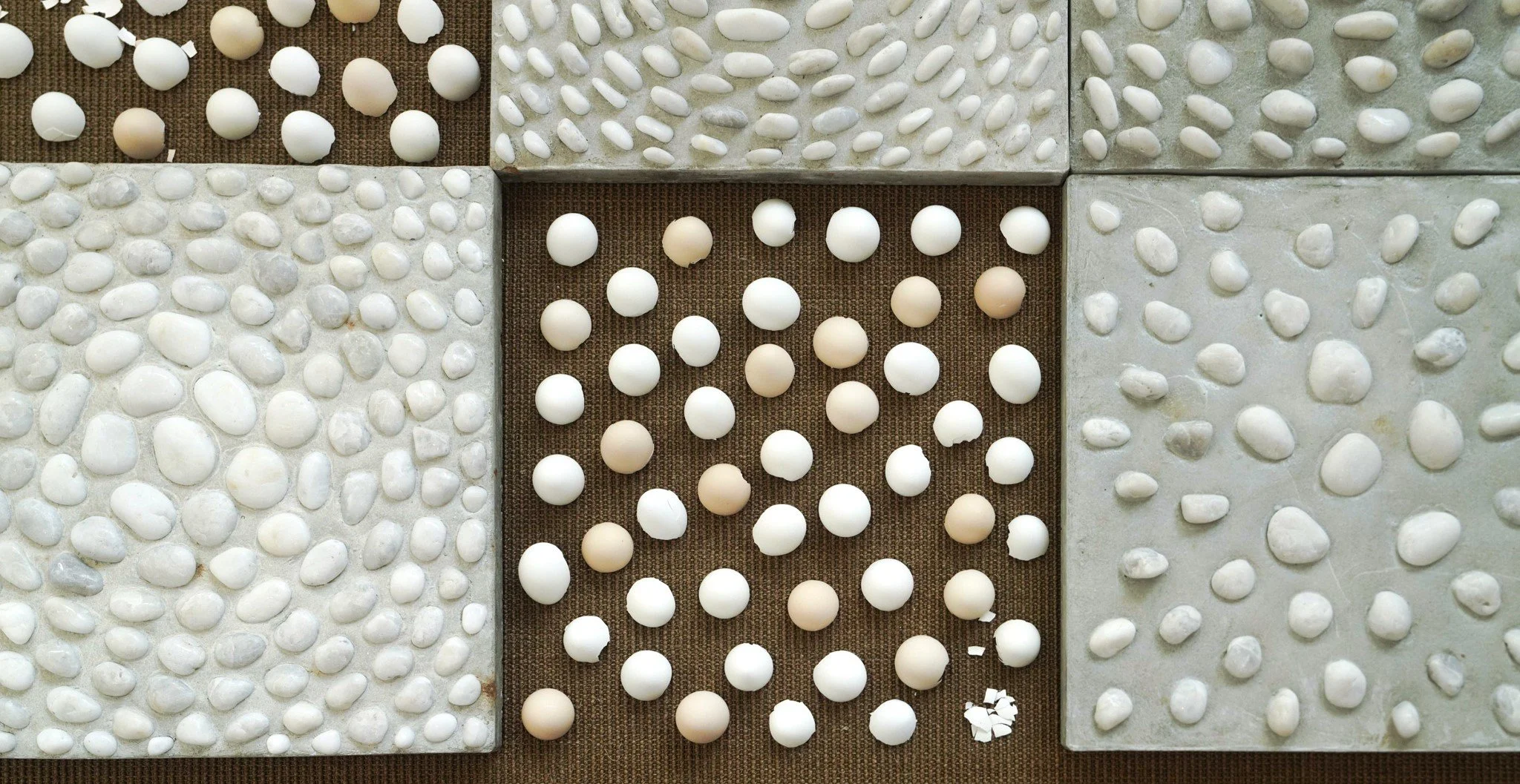
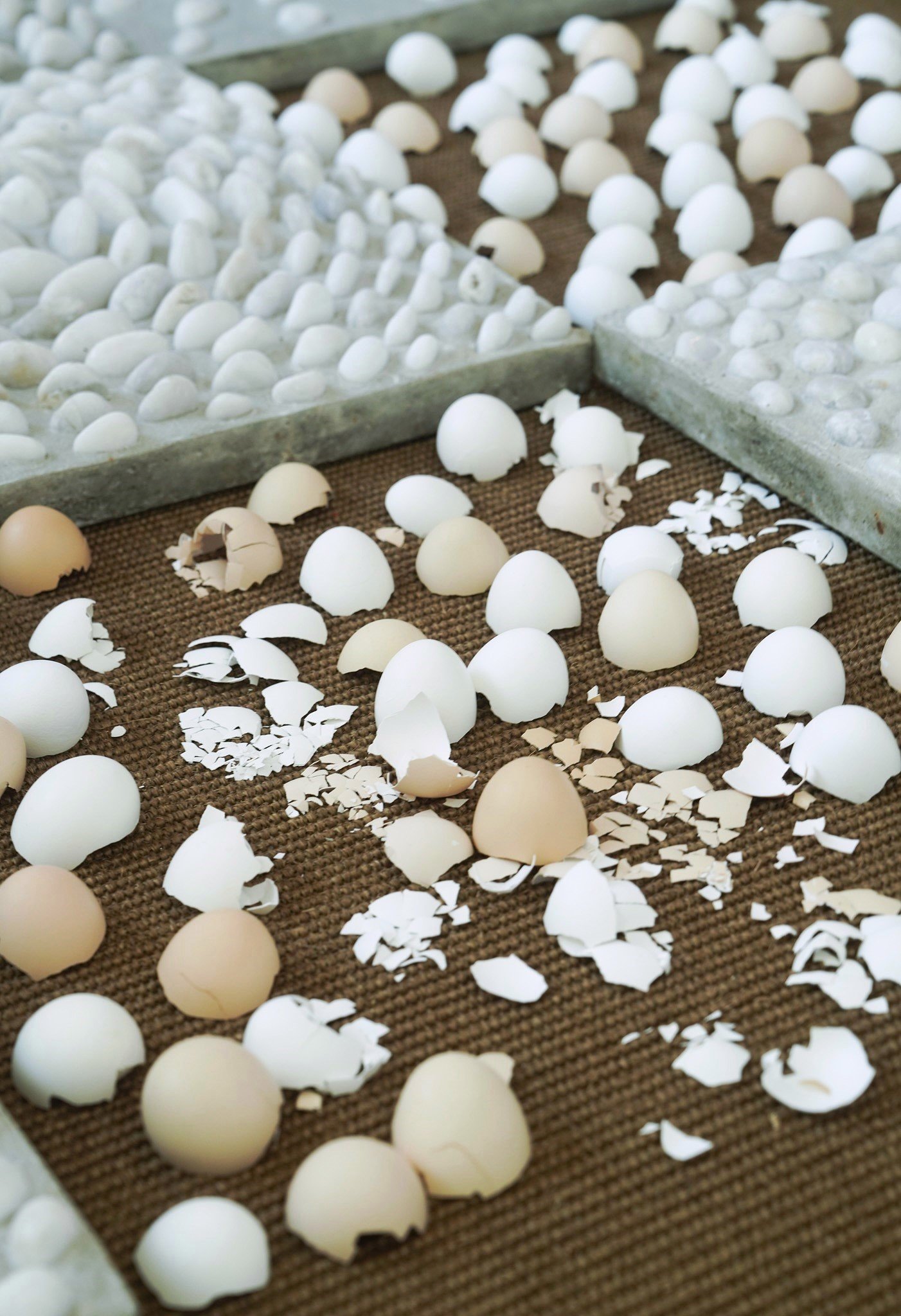
Stepping Stones Won’t Break My Bones, 2026
Beyond the familiar boundaries of her studio at HART HAUS, creating site-specific or commissioned pieces brings with it a distinct set of considerations. Sikdar shares that factors like scale, spatial integration, organisational requirements and the public’s engagement all shape the creative process. “You have to consider: how will you express your artwork? How is it displayed, like when the weather comes into play for outdoor exhibitions, and how will you communicate with different organisations?”
For exhibitions, responding to a curatorial theme also becomes part of the process. Sikdar describes finding a balance between her initial vision and the practical considerations that shape how a work is realised. Alongside community-facing projects, Sikdar has been collaborating and hosting workshops with HART HAUS over the course of her residency. Her personal favourite part of this kind of work, is community engagement, including those outside the art community.
”It’s more about people enjoying themselves,” she explains, “and experiencing the creation of art.” She wants to challenge the idea that people need to be good at art to enjoy making it. Sikdar believes that art is deeply ingrained in all people, and that its inherent value can be as simple as the ability to carry its creator’s thoughts and feelings. Painting, which she describes as a ‘vibrant’ way to engage participants, offers an accessible starting point.
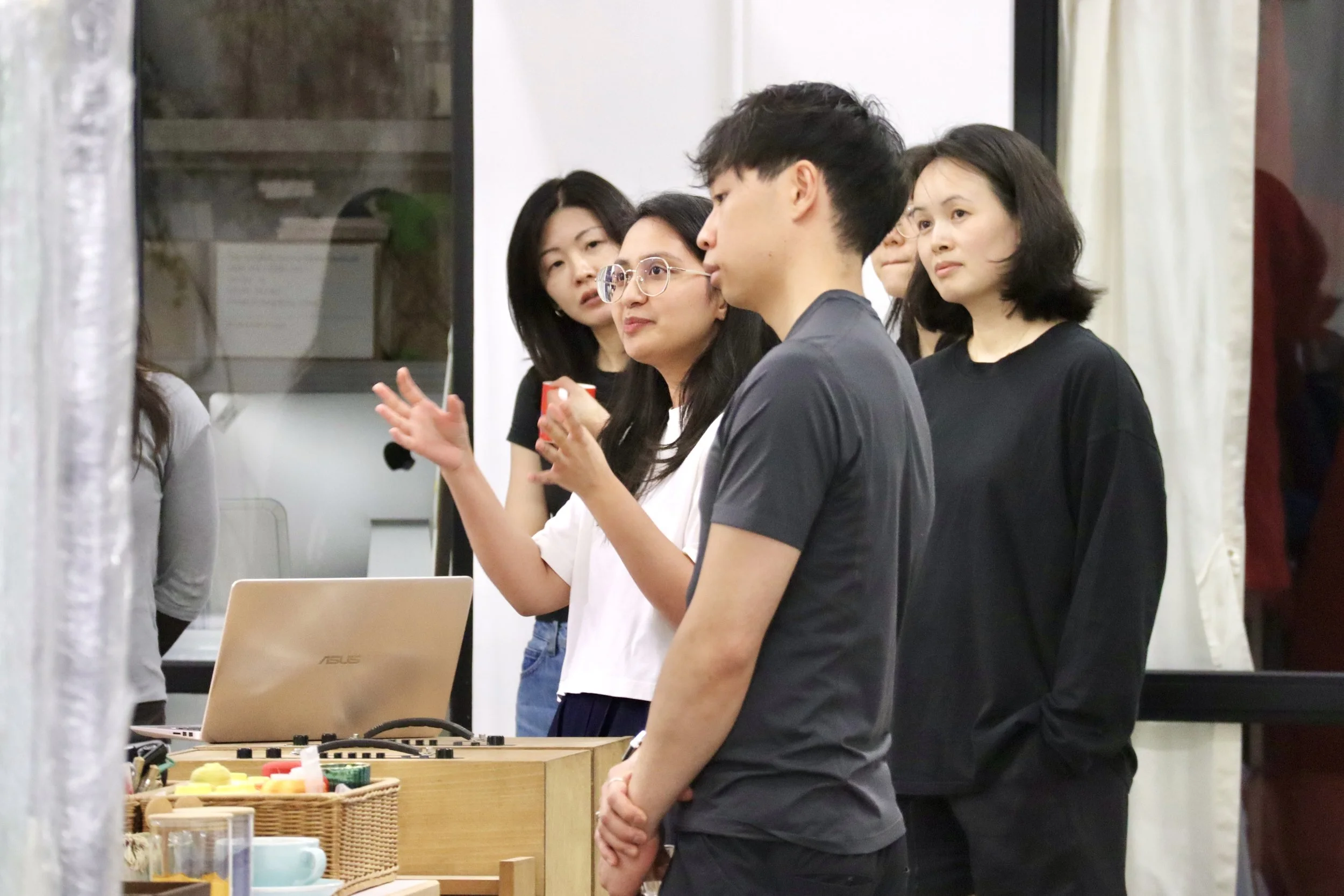
Behind the scenes at one of Sharu’s art critique sessions at the HART HAUS studio.
In the process of developing interactive workshops for visitors, she finds herself simplifying her creative process to make it accessible to different people. She emphasises the importance of understanding your target audience and meeting them halfway. “It’s always great to see kids and families. In the beginning they’re shy or intimidated when they approach art making, but watching them transform over the course of the workshop makes the entire experience worthwhile.” Although her professional practice has moved away from painting, Sikdar maintains a more relaxed relationship with it by occasionally visiting painting cafes as a hobby. That interest in how people experience art also extends her own practice.
Sikdar hopes viewers can recognise parts of themselves in her work. While the messages and practices in her work are deeply personal, the feelings and experiences they explore are not. Reflecting on the audience responses to her Stepping Stones Won’t Break My Bones installation at Art Basel Hong Kong in 2026, she describes the humbling and touching experience of hearing the histories, experiences and interpretations of her work by various viewers.
“If people take the time to go through my artwork, then see themselves in it and connect with it, I think that we can call that a success.”
Since joining HART HAUS in 2019, Sikdar has found that the studio environment has shaped the way she creates art. Her station in the main hall frequently offers opportunities to connect with other members of the community. Looking back over the years in the studio, she reflects fondly on the artists she met when she first joined and how their practice has developed alongside her own. She values HART HAUS for being a space that welcomes artists at different stages of their careers, and also finds that the openness of her studio space sometimes provides a much needed break from overthinking or the monotonous routine that goes into her work.
Sikdar hopes to continue to be able to showcase her work with wider audiences and take part in more collaborations in the future. She values the perspectives that emerge from working with others and remains open to how these experiences might shape her practice. “I always have to be open to the changes that come,” the artist finishes. “At the end of the day, art can be as simple as just expressing yourself. And that is enough.”
To learn more about the Artist, click here.
About INSIDE HART
Inside HART is a window into our studio where artists experiment, collaborate, and bring their practice to life.
Stay tuned for other journals on the series!
