
HART
Curatorship Incubation Programme
Empowering art enthusiasts and emerging curators to deepen their understanding of contemporary curatorial practice.
One outstanding exhibition proposal from the Advanced Programme* will be selected for realisation at HART HAUS, supported by a HK$100,000 exhibition grant generously sponsored by the Octone Foundation.
*See details below.
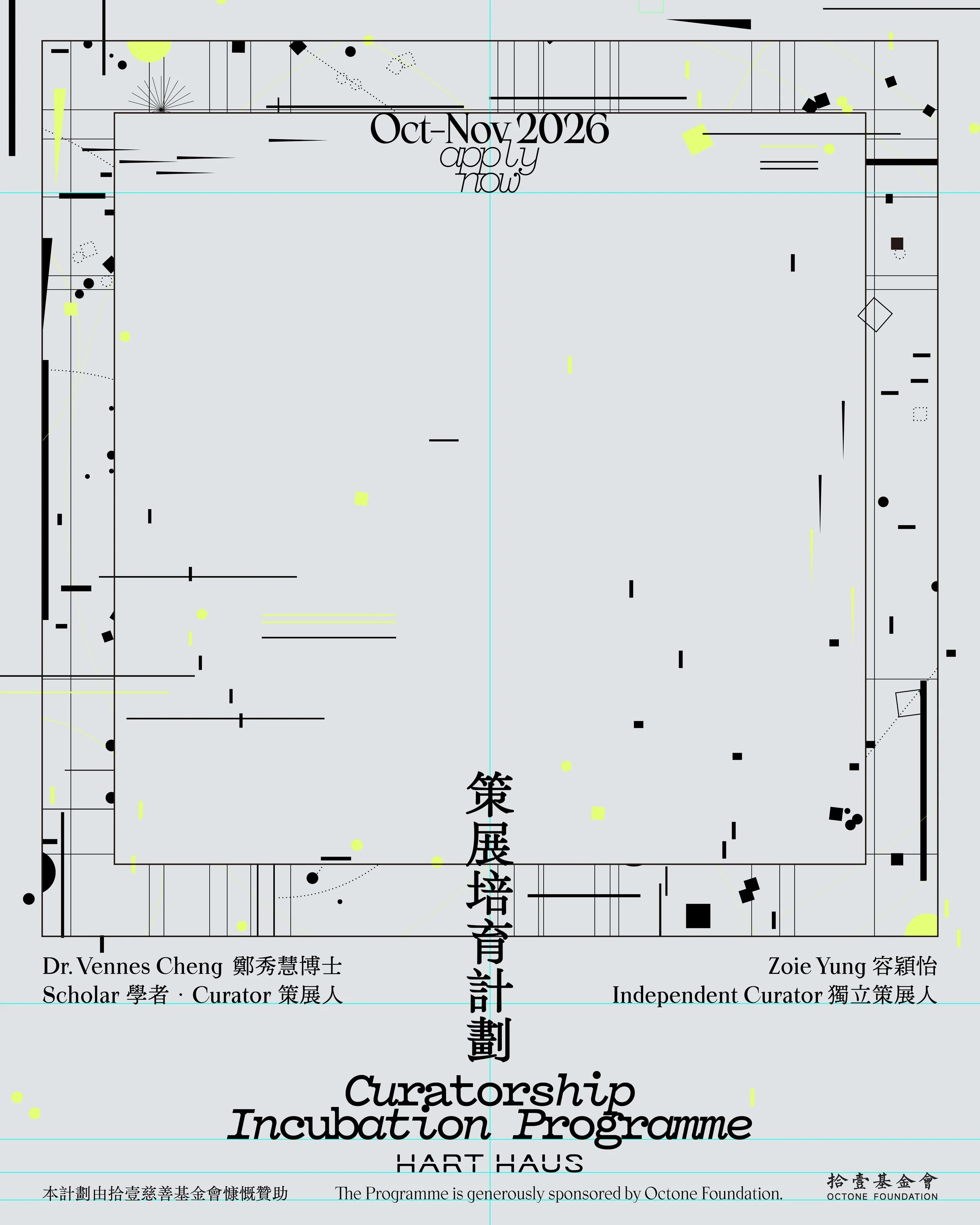
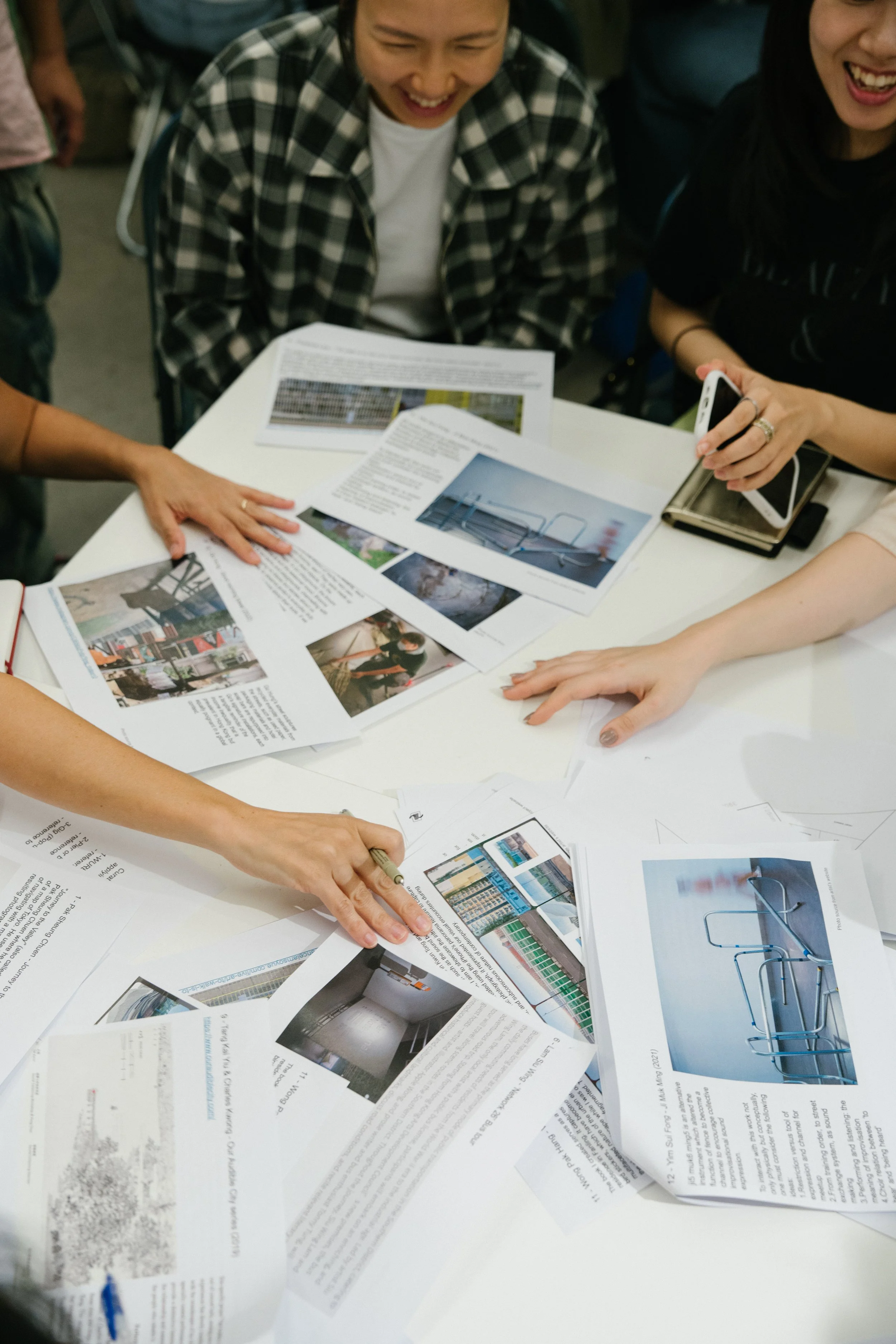
First launched in 2021, the Curatorship Incubation Programme (CIP) is designed for art enthusiasts and aspiring curators seeking to deepen their understanding of contemporary curatorial practice.
This year's theme examines how the rapid, multifaceted evolution of technology reshapes not just the artwork itself, but the entire philosophy and infrastructure of exhibition-making. Technology is defined here in its broadest sense: from early electronic and interactive new media to autonomous software, algorithmic machine learning, and the material, environmental systems that sustain them.
As we enter a hybrid "non-human era," curatorial practice must account for a diverse network of actors, including data streams, environmental elements, automated algorithms, and physical space. The role of the curator fundamentally shifts from organising static objects to managing living ecosystems, programming complex interactions, and negotiating agency among human creators, non-human entities, and technology-driven audiences.
Curating in the Age of New Media, Post-Media, and Machine Intelligence
Key Module 1:
Curation from the Human to the Non-Human Era
This module traces the historical and philosophical trajectory of curation as it adapts to technological shifts. We move beyond the traditional gallery space to explore what it means to curate when the "artist," the "medium," or the "environment" operates with autonomous agency. By looking at technology through both a material and systemic lens, ranging from early kinetic and ecological art to modern machine intelligence, students will confront the challenge of staging exhibitions where authorship is shared with non-human systems. We will debate how a curator maintains conceptual coherence when managing open-ended, evolving, or automated artistic environments.
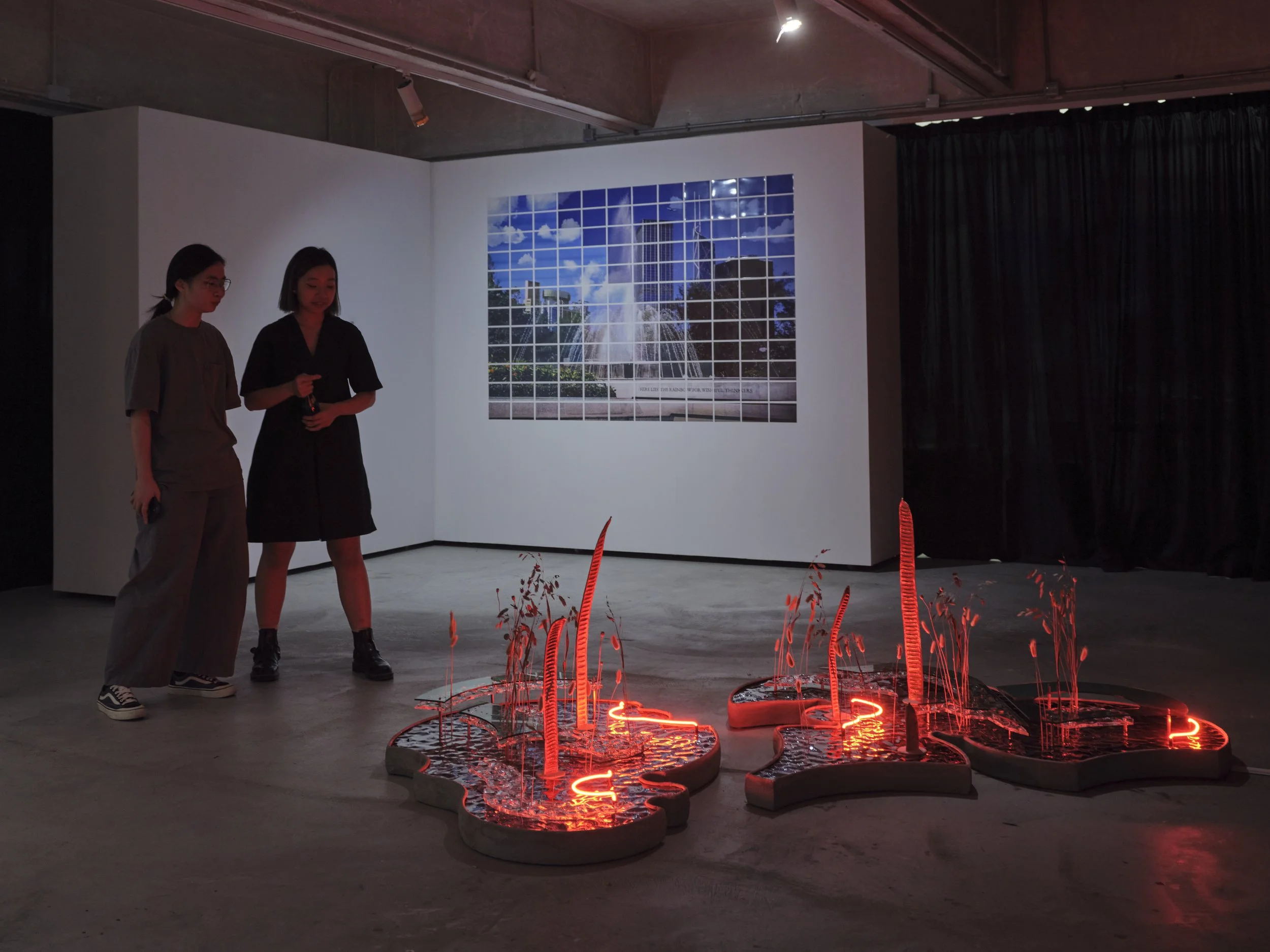
This module unpacks the history of new media art: from its roots in video, electronics, and cybernetics, and maps its transition into our current post-media condition, where digital, physical, and ecological technologies are completely ubiquitous and entangled. Students will analyse the specific structural, architectural, and technical demands of exhibiting media art. We focus on how the curator acts as a translator: turning code, signals, environmental inputs, and physical hardware into a cohesive spatial narrative.
Key Module 2:
Materialising Technology
Key Module 3:
Interactivity
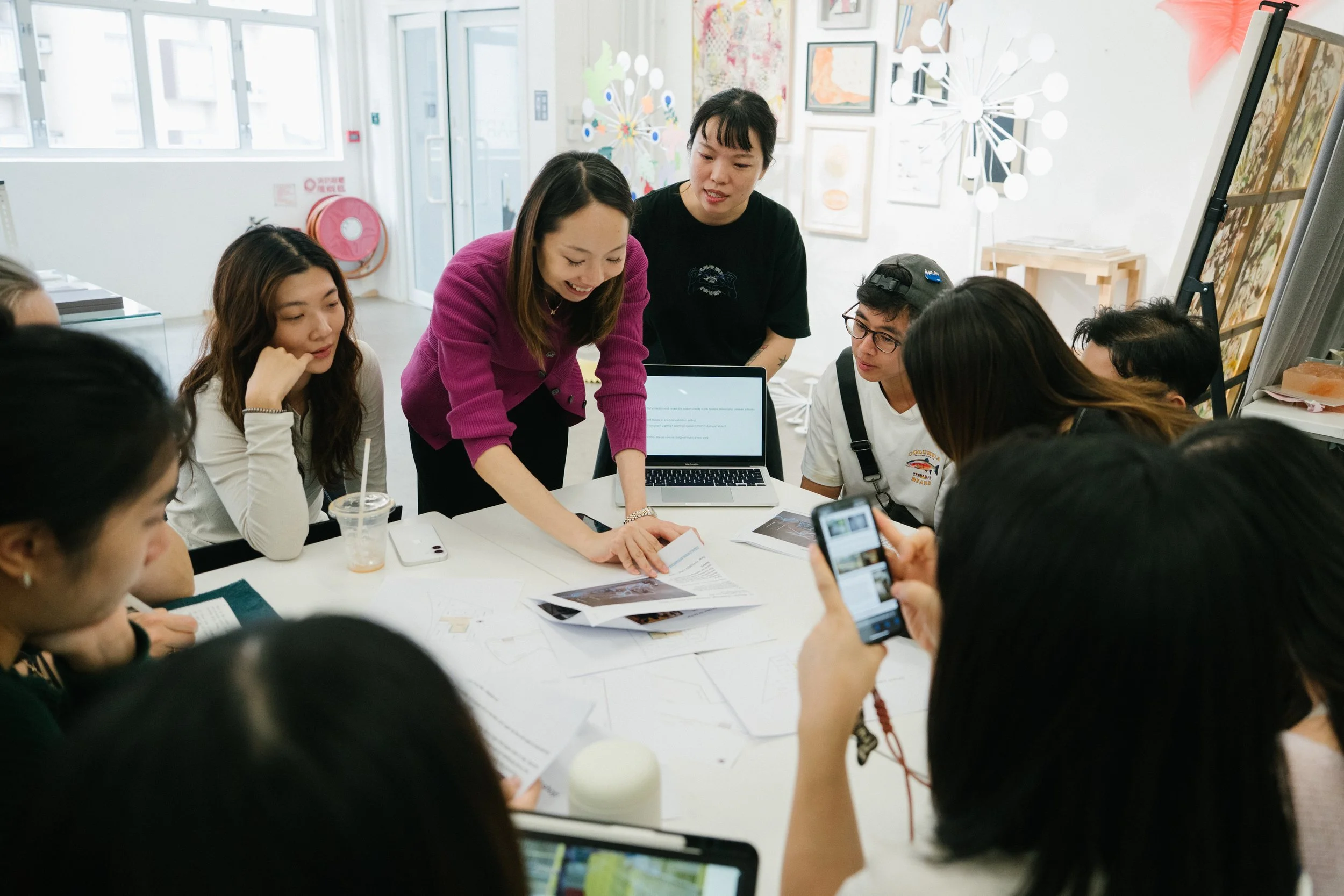
Technological and post-media art dismantles the passive "look but don't touch" model of exhibition-making, turning the viewer into an active node within a larger system. However, meaningful interactivity requires more than just a trigger and a response; it demands careful negotiation between human psychology, technical interfaces, and public space. This module bridges theory and practice, examining how curators program public engagement, handle audience expectations, and structure learning environments around complex, high-concept, or machine-driven artworks.
Programme Facilitators
Guest Speakers
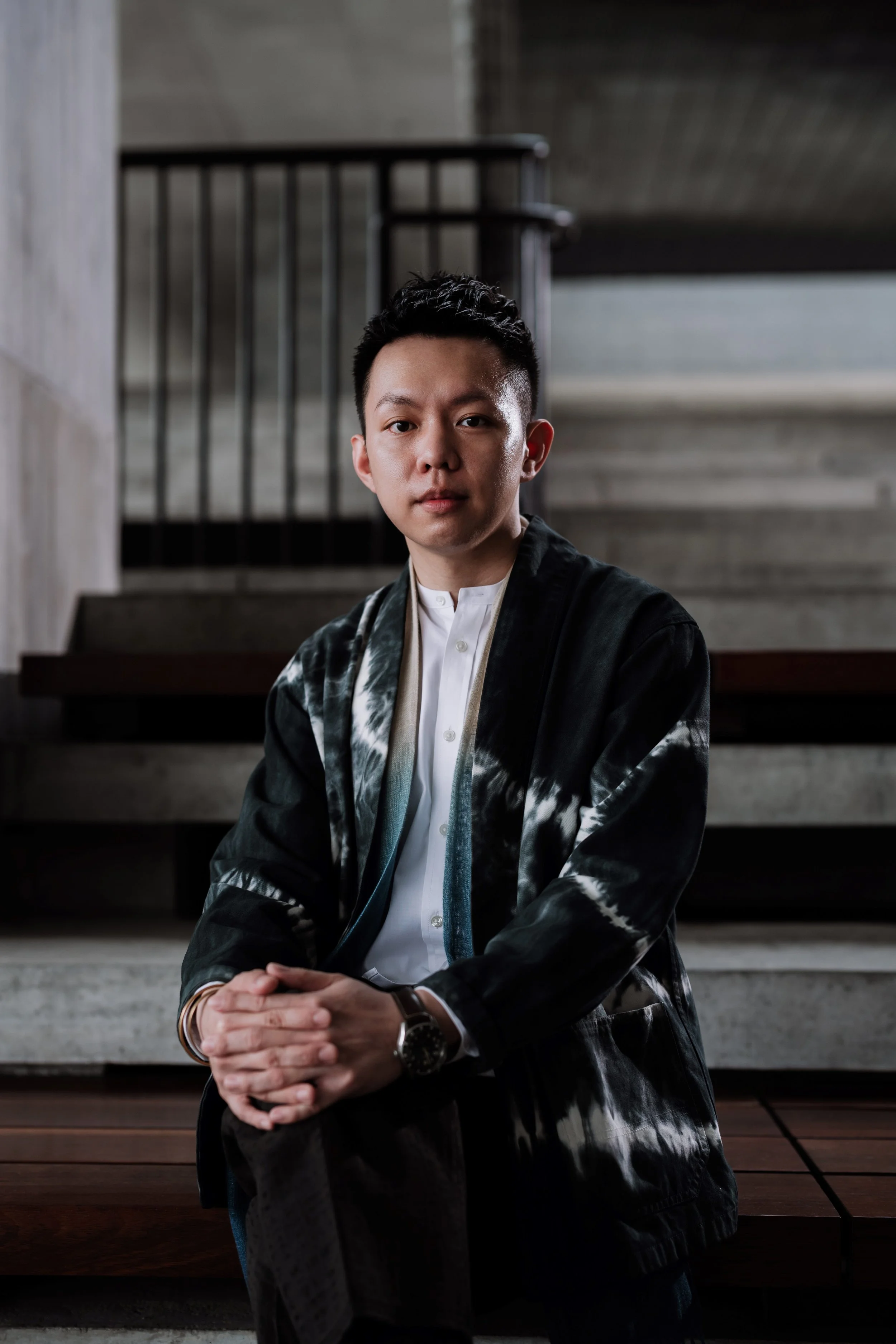
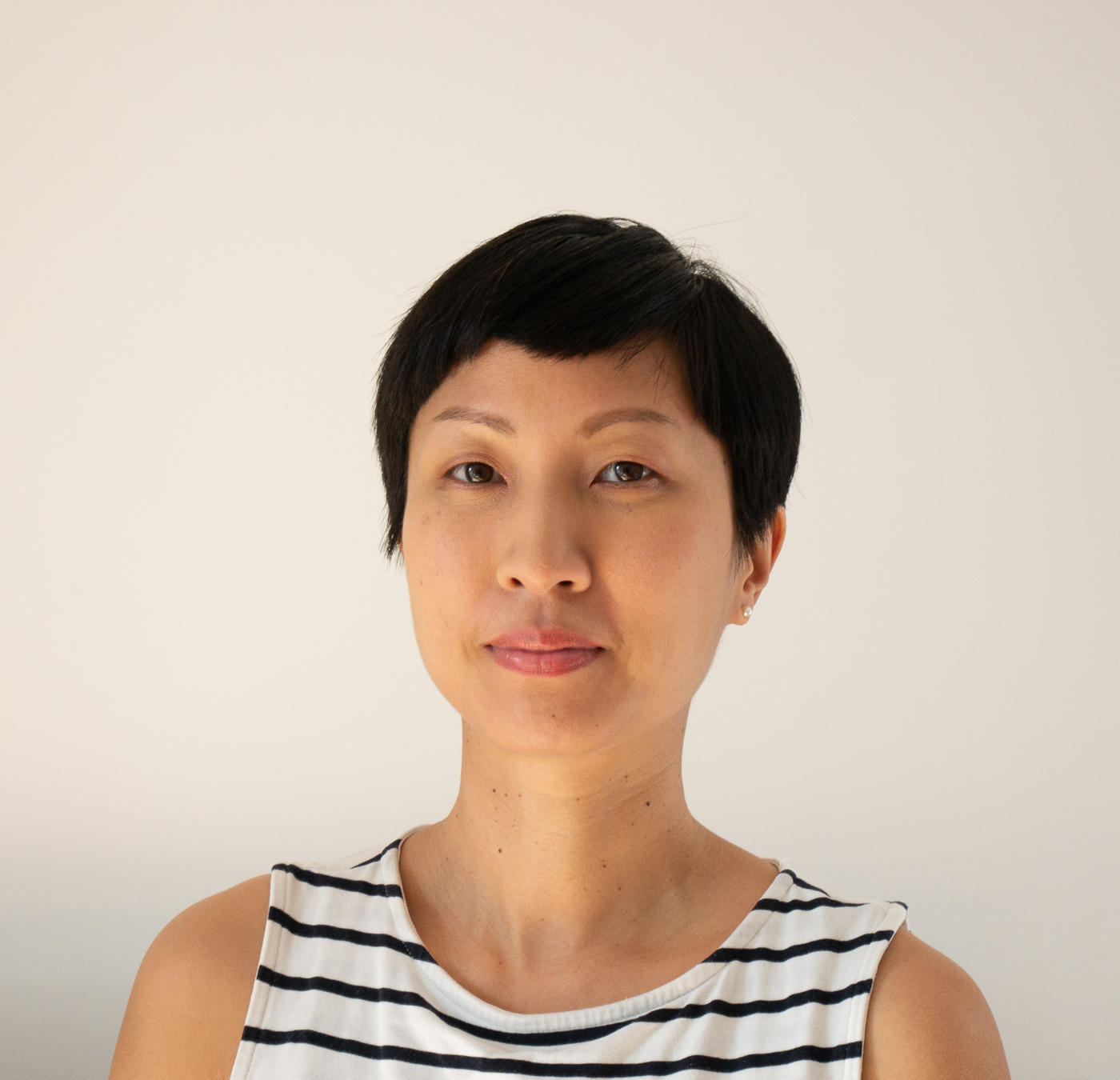
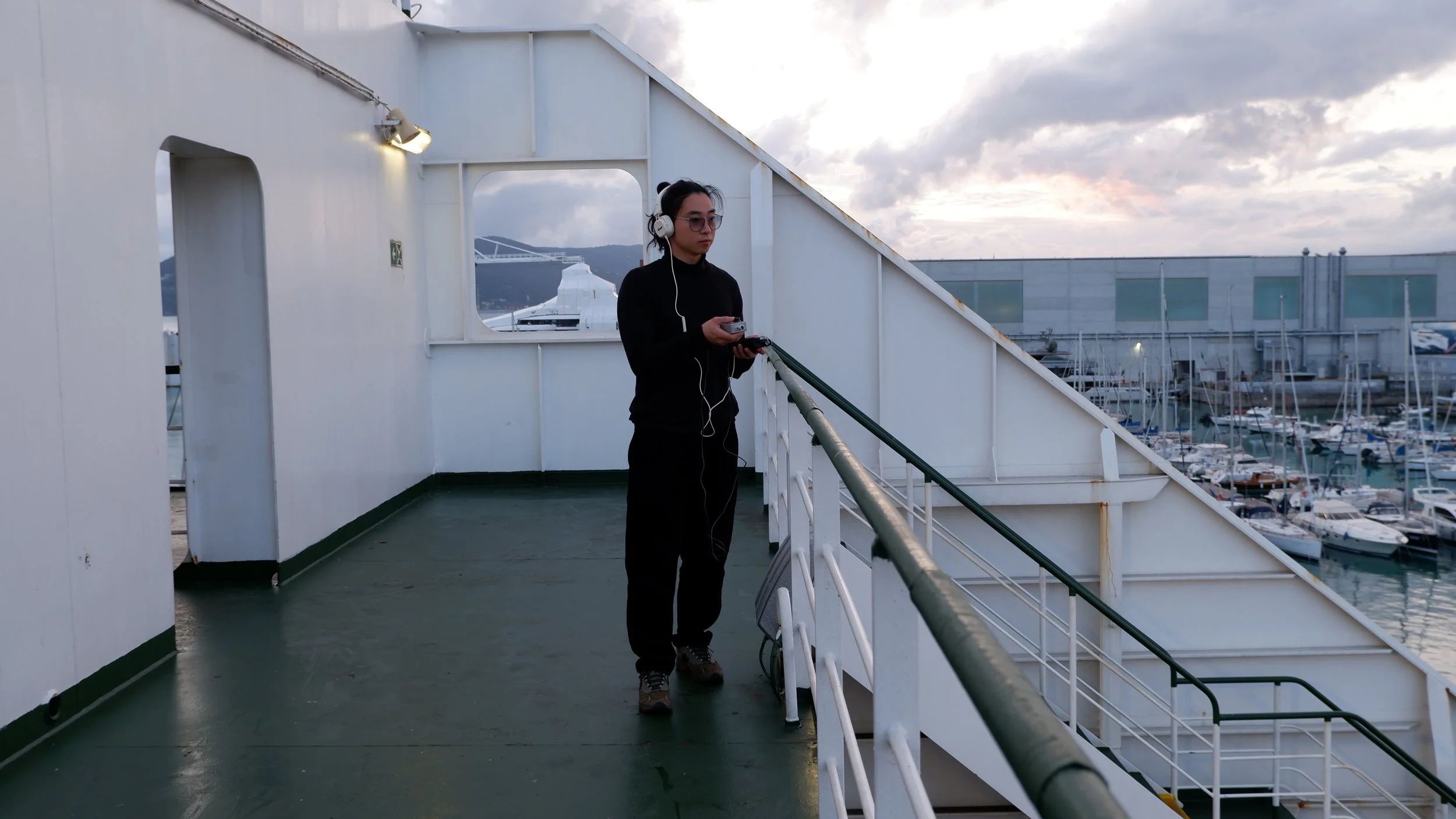
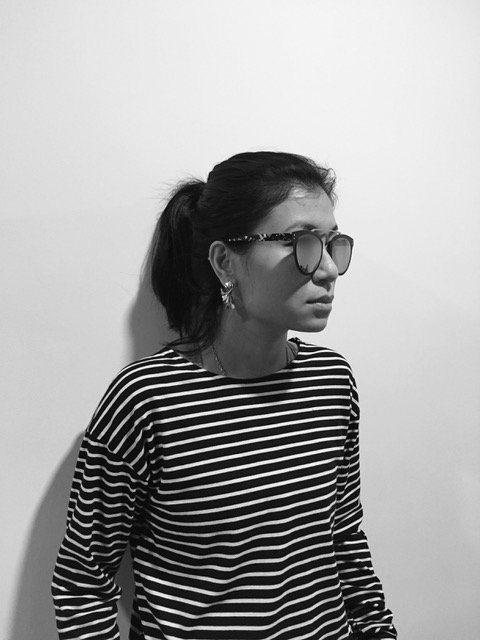
-
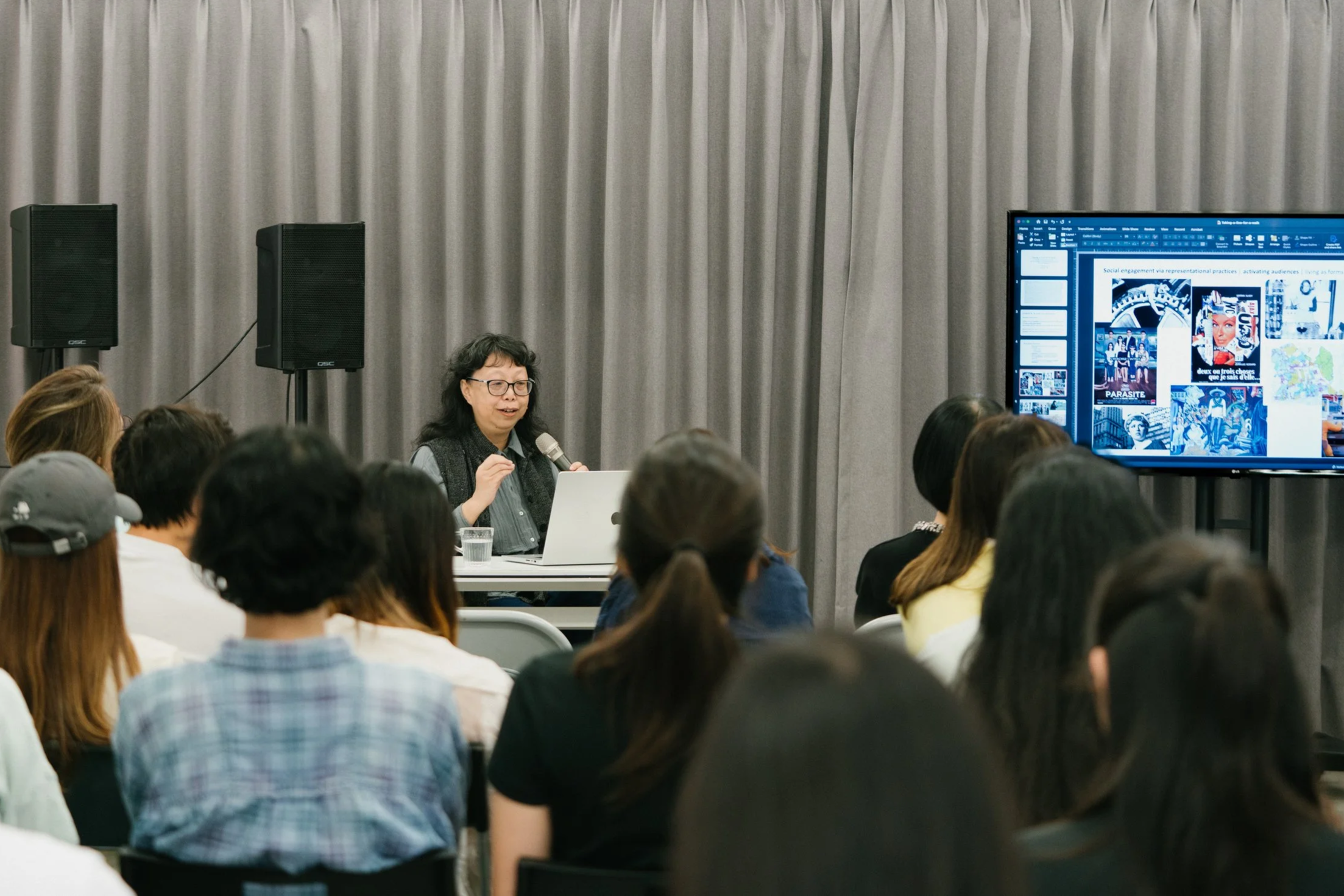
The course offers a comprehensive introduction to contemporary art curating, combining conceptual learning with hands-on insights from experienced curators and practitioners. The 2026 edition includes 6 core lectures by Key Facilitators and 4 guest sessions that covers curatorial foundations, practical skills, and case studies for both Basic Programme and Advanced Programme. In addition, Advanced Programme participants will benefit from 2 online mentorship sessions and 1 additional presentation session focused on professional development and proposal-building.
Programme Highlights:
Balanced integration of theory, practice, and curatorial reflection
Perspectives from leading curators, artists, and cultural practitioners
Exclusive mentorship and workshop opportunities for Advanced Participants
Courses will primarily be conducted in English. Facilitators may occasionally use Mandarin and Cantonese as needed.
BASIC PROGRAMME6 core lectures + 4 guest sessions
Covers the foundation of curation, practical skills, and case studies
ADVANCED PROGRAMME
Everything under Basic Programme, plus
2 online mentorship sessions
1 presentation session
Exhibition proposal review
Opportunity to realise exhibition proposal*
-
Application Schedule
Apply Now
Application Deadline: 30 September 2026.
Successful applicants will be contacted by the HART HAUS team in early October.
For any further enquiries, please contact us at atelier@thehart.com.hk.
Eligibility & Selection Criteria
To ensure productive exchanges between facilitators and learners, this year’s programme is limited to a total of around 35 participants. Among this total capacity, up to 10 participants can be enrolled in the Advanced Programme.
Participants meeting the following criteria are recommended to apply for this programme:A strong interest in curatorial practice
Relevant experience in arts & culture, media, design, or museum work
A clear commitment to advancing their career in this field
Individuals who are curious, creative, and open-minded
Proactive attitude towards driving discussions and learning
Ability to work both independently and collaboratively demonstrate
Strong organisational and communication skills
Terms & Conditions
Click here for the terms and conditions for the event.
-
The three core modules of the course will be thoroughly covered in ten sessions within five to six weeks by the key facilitators and guest speakers for all learners, with advanced learners receiving an additional one-on-one mentoring sessions and a presentation session. Further course topics and details will be provided to successful applicants before the programme begins.
-
Designed for committed learners who are ready to excel and stand out, our Advanced Programme provides the additional mentorship support and exclusive opportunities to advance your curatorial career.
In addition to ALL core units and guest lectures covered in the Basic Programme, our Advanced Programme provides:
Two additional sessions of 1-on-1 online coaching with one of our key facilitators, which are customised according to your career development, research and/or exhibition proposal for the course. These are great opportunities for learners to seek further advice in areas such as CV/portfolio building, career planning, curatorial skillsets development, etc.
One additional session of proposal presentation with other Advanced Programme learners.
Under facilitators’ guidance, each learner in the Advanced Programme will submit one exhibition proposal by the end of the programme for key facilitators, the team, and the Sponsor to review and provide feedback.
ONE outstanding proposal would be selected with an opportunity to realise the exhibition at HART HAUS in 2027*. HART HAUS is pleased to offer support for venue sponsorship and marketing for the selected outstanding exhibition proposal.
An additional funding up to HKD100,000 generously supported by Octone Foundation will also be provided to the candidate of the selected proposal.
Please note that:
To ensure that every Advanced Programme learner receives meaningful feedback from our facilitators, the intake for the Advanced Programme is limited to around 10 participants.
Each Advanced Learner will be assigned to one of the two key facilitators for a one-on-one mentorship session, determined internally based on mentor availability and scheduling logistics. Each consultation will last approximately one hour and take place via Zoom or phone call, according to the mentor’s preference.
*HART HAUS reserves the right to make the final decision on proposal selection, exhibition scheduling, and the scope of any additional support, etc. Participation in the Advanced Programme does not guarantee that a proposal will be selected or realised.
Preferred Qualities of the Exhibition Proposal
The Advanced Programme seeks exhibition proposals that demonstrate the following qualities:
A clear, fresh, and original concept with a well-defined thesis
A thoughtful, well-contextualised list of artists that supports the thematic framework
Inclusion of at least a new media work, with a clear understanding of the technical translation process
Consideration of dynamic and effective public programming
Demonstration of technical feasibility and spatial infrastructure
A feasible timeline for exhibition realisation
Financial realism and budgetary viability
Integration of accessibility considerations (bonus points)
Further selection criteria for the outstanding exhibition proposal under the Advanced Programme will be provided by the teaching curators as the programme commences.
-
This programme requires on-site attendance for the majority of the sessions. Classes will be held on 5-6 consecutive Saturdays in October and November 2026, each day consisting of 2 class sessions.
Dates: 24 Oct, 31 Oct, 7 Nov, 14 Nov, 21 Nov, *28 Nov 2026 (Saturdays)
Time: HKT 1:30pm-3:30pm, 4pm-6pm
Venue: HART HAUS (4F, Cheung Hing Industrial Building, 12P Smithfield, Kennedy Town, Hong Kong)
*ONLY Advanced Learners are required to attend an extra day of classes on 28 Nov 2026. Further information will be shared with learners when the programme begins. -
Basic Programme: HKD 5,800
Advanced Programme: HKD 7,800
⋇Early bird promotion: apply by 18 September 2026 11:59pm and enjoy HKD300 off.
Sponsor
This Programme is generously sponsored by Octone Foundation.
Artist Studios
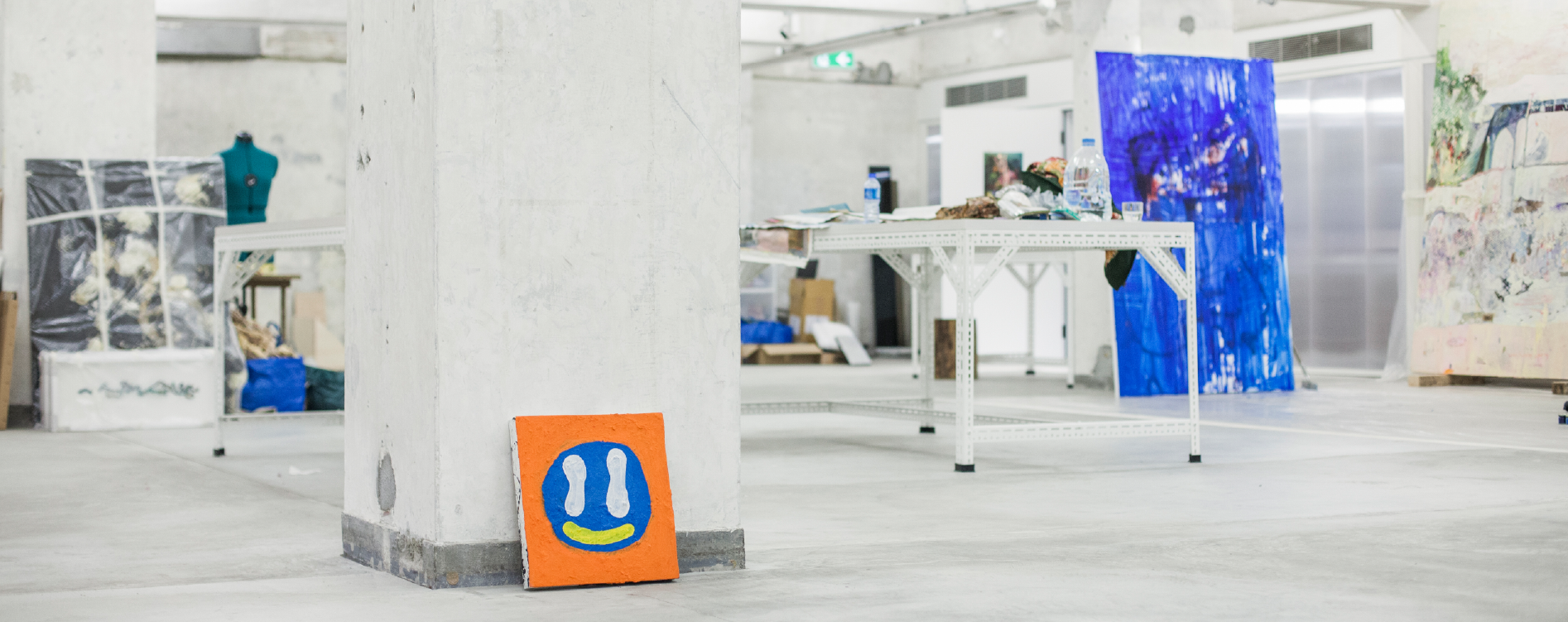
HART HAUS offers emerging and established artists affordable studio space in the heart of Kennedy Town, helping artists, curators, and researchers deepen their practice.
Residencies
Residencies at HART HAUS offer unique opportunities for international artists to experience Hong Kong, open up dialogues, and engage in artistic exchange.