
AtelierYVF’s Earth & Paradise
Beneath Asia’s fashion spotlight, AtelierYVF’s collection at this year’s 2026 CENTRESTAGE show transported viewers straight to the deserts of Uzbekistan.
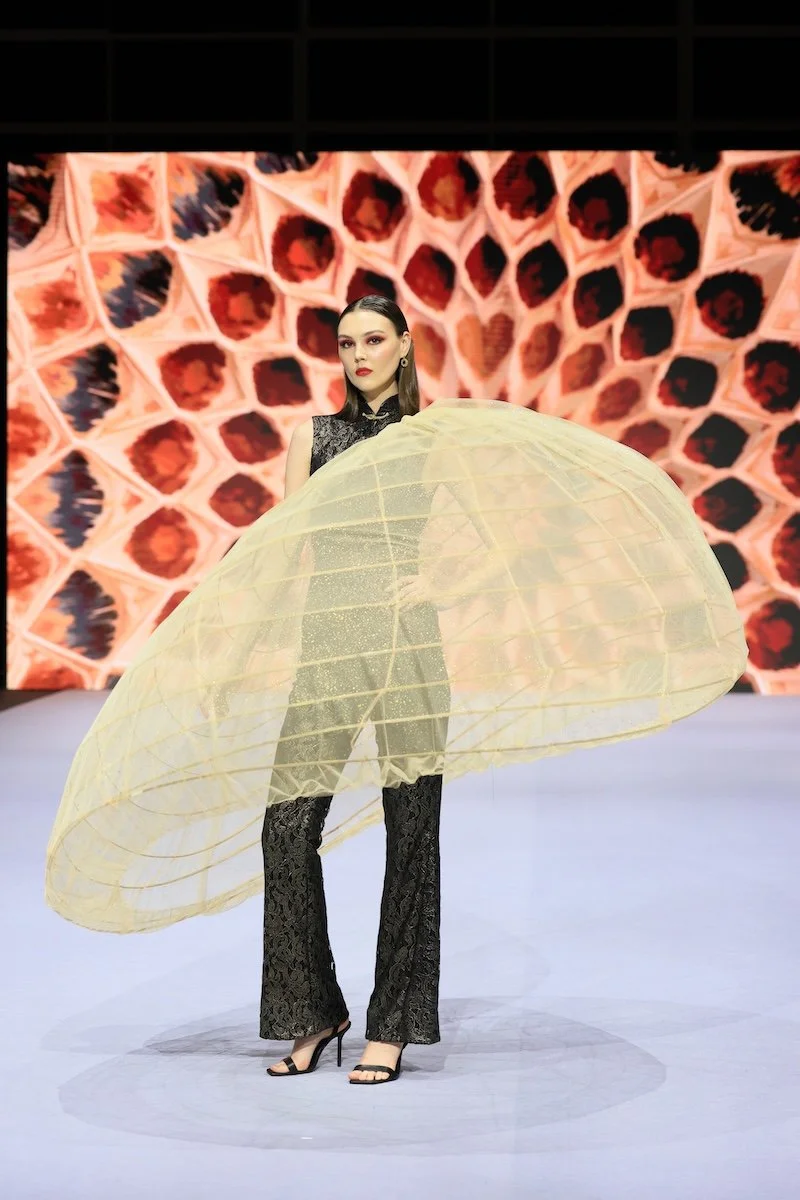
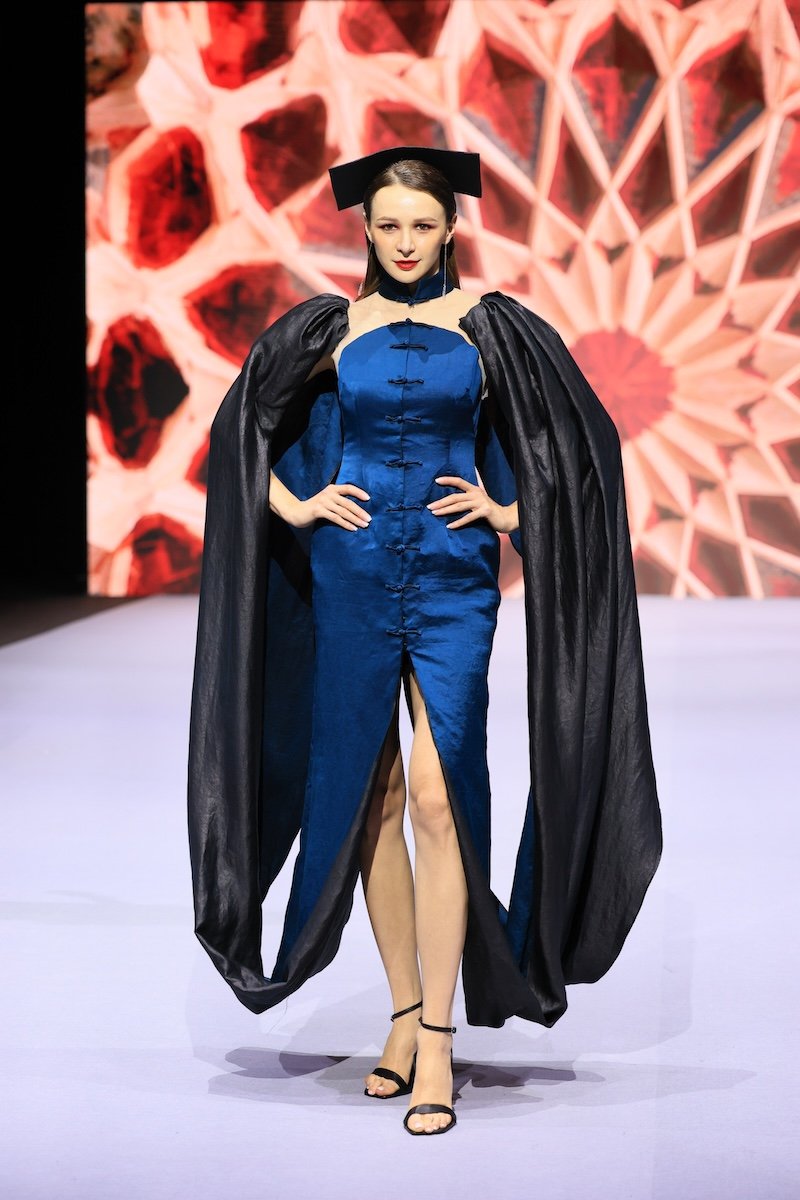
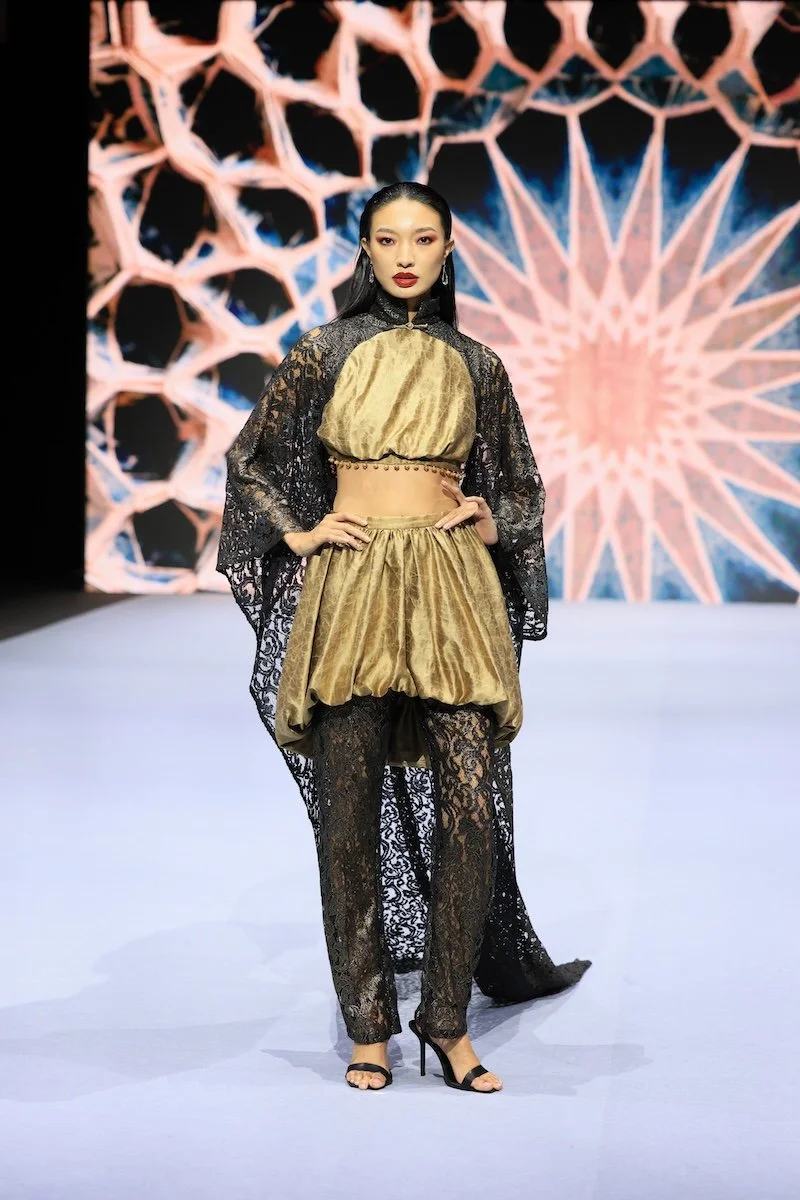
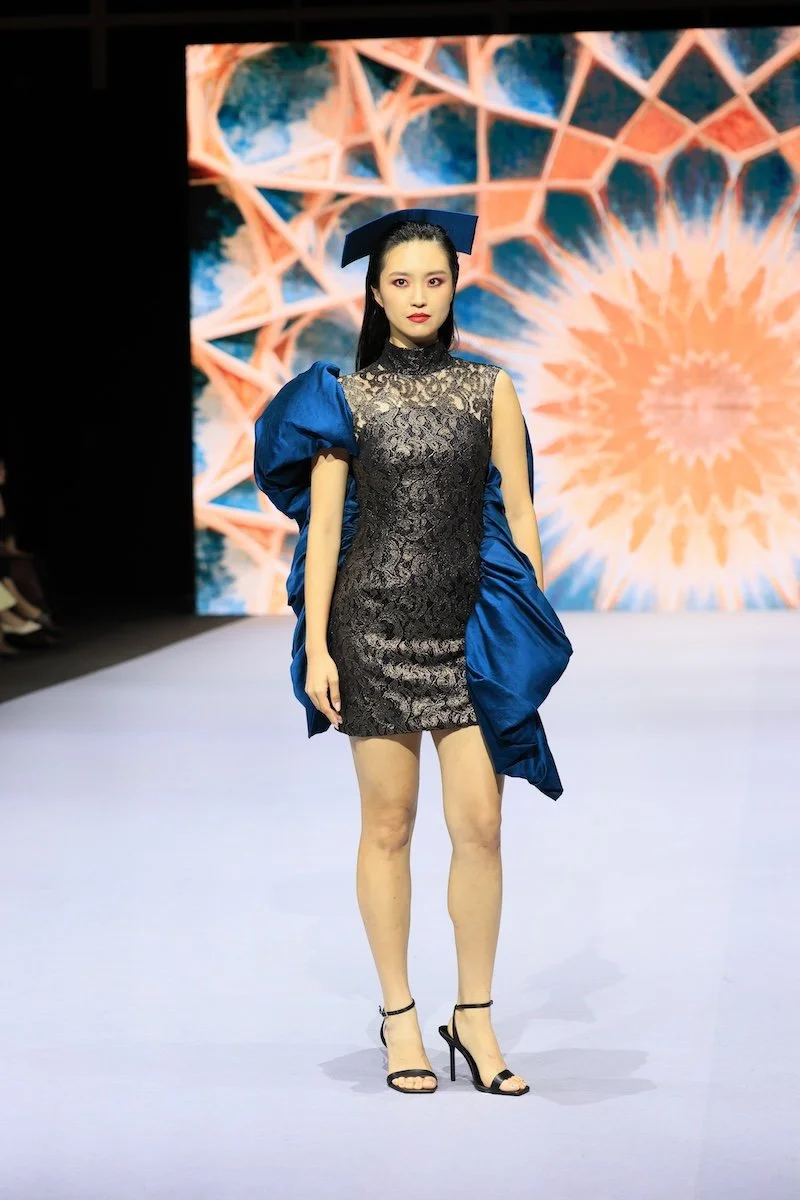
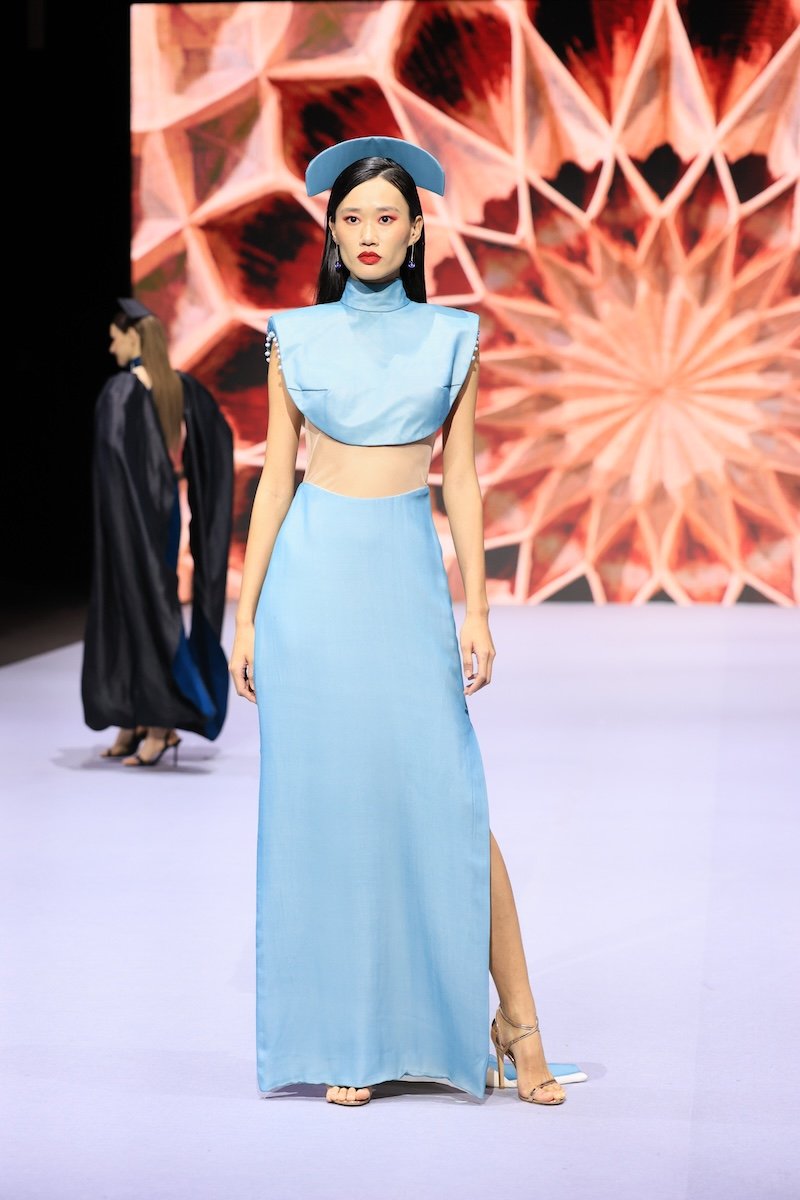
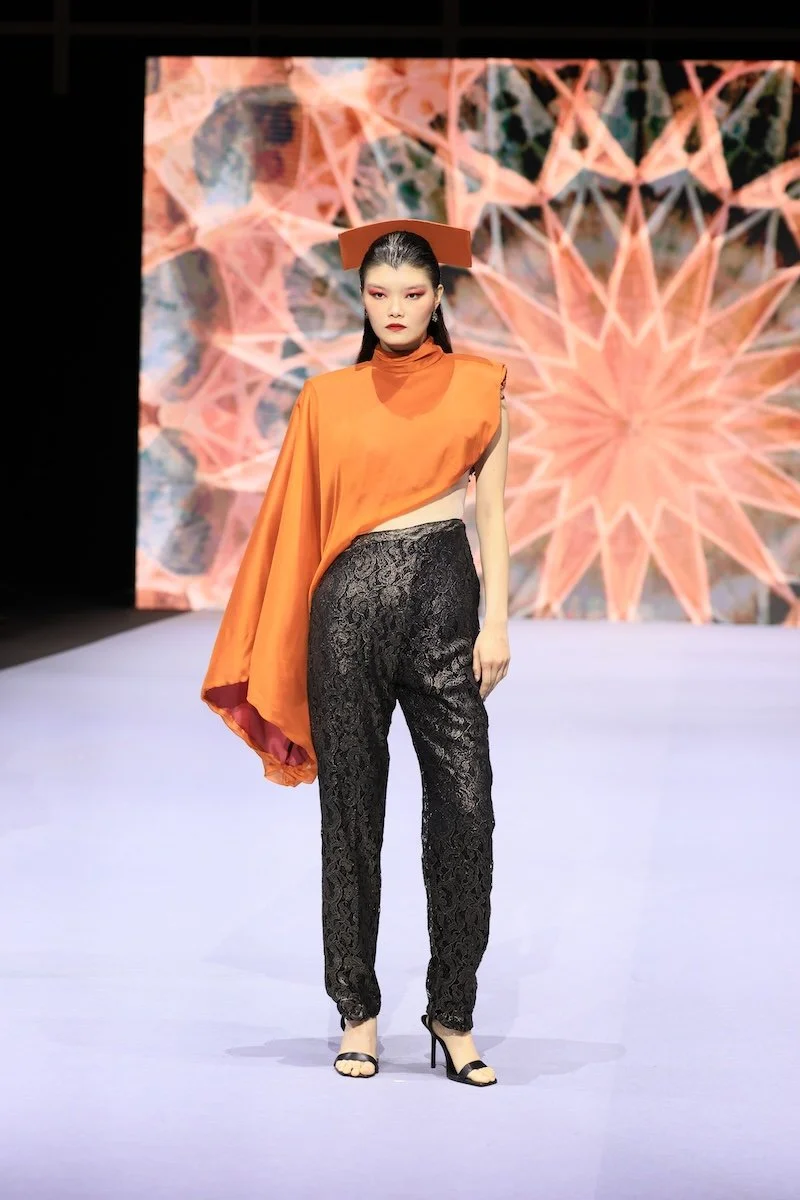
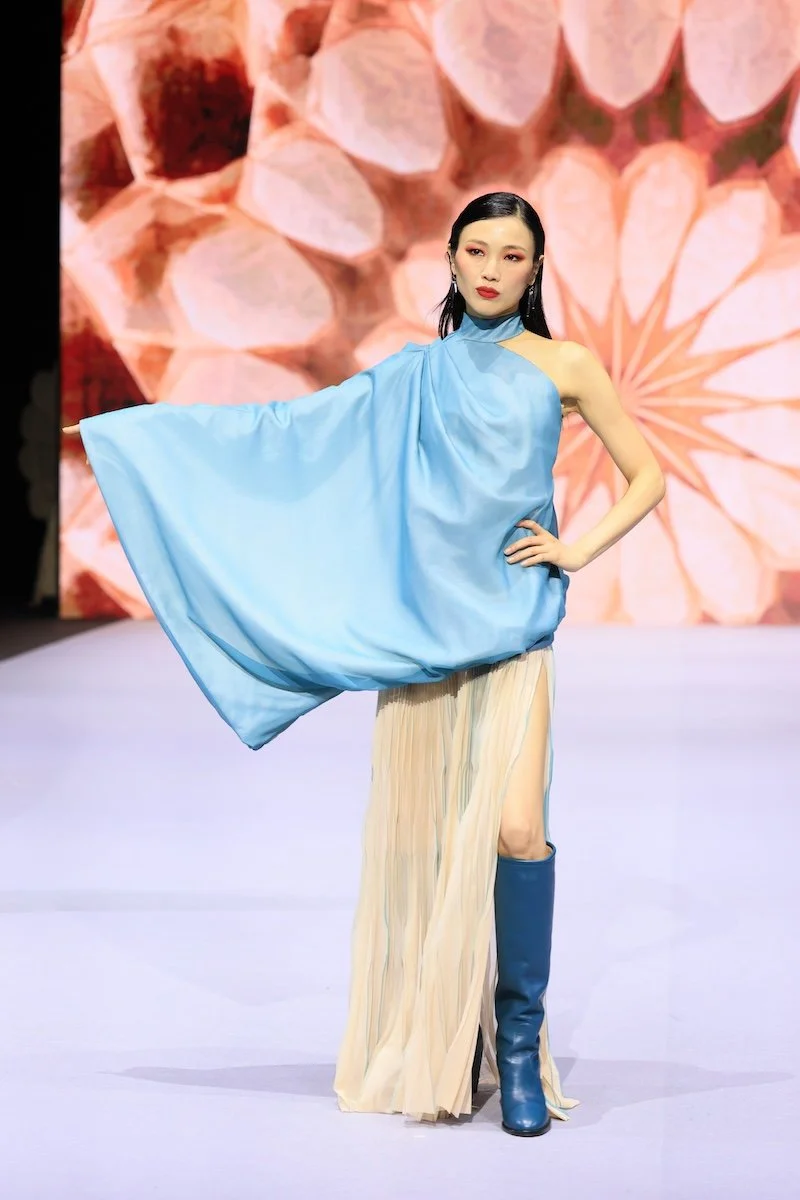
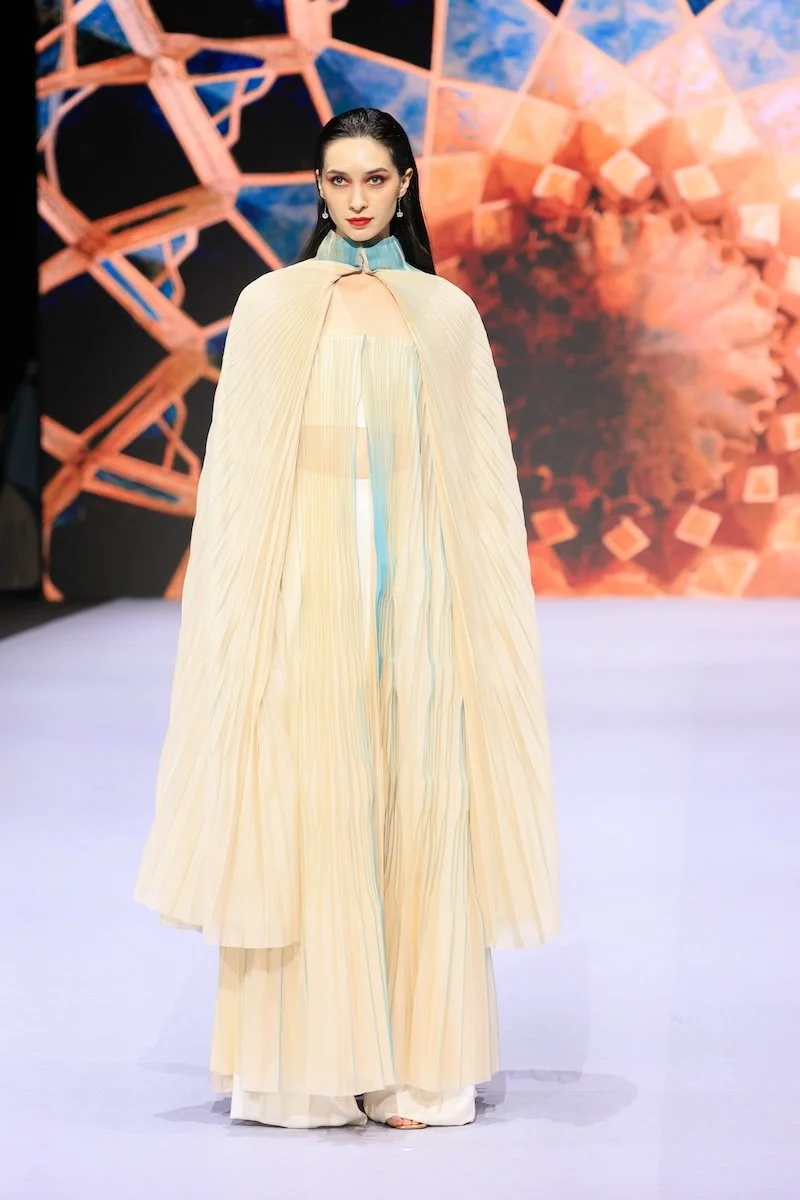
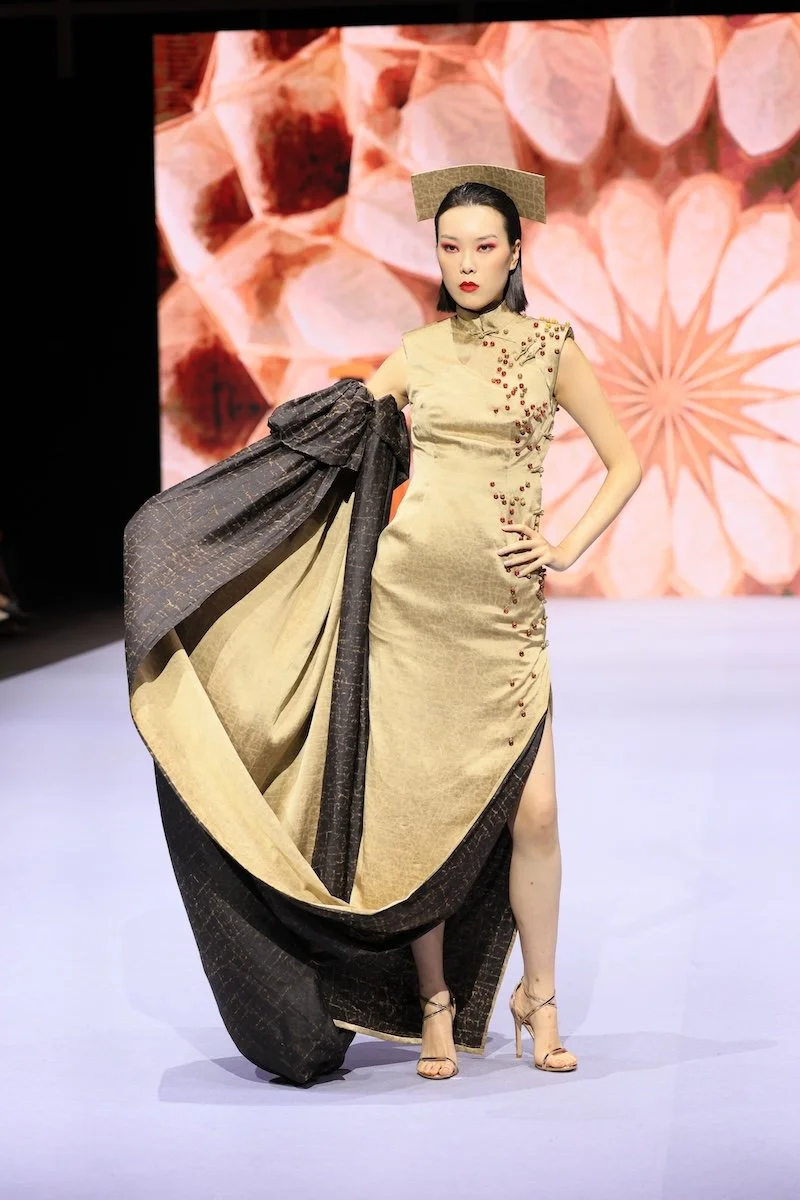
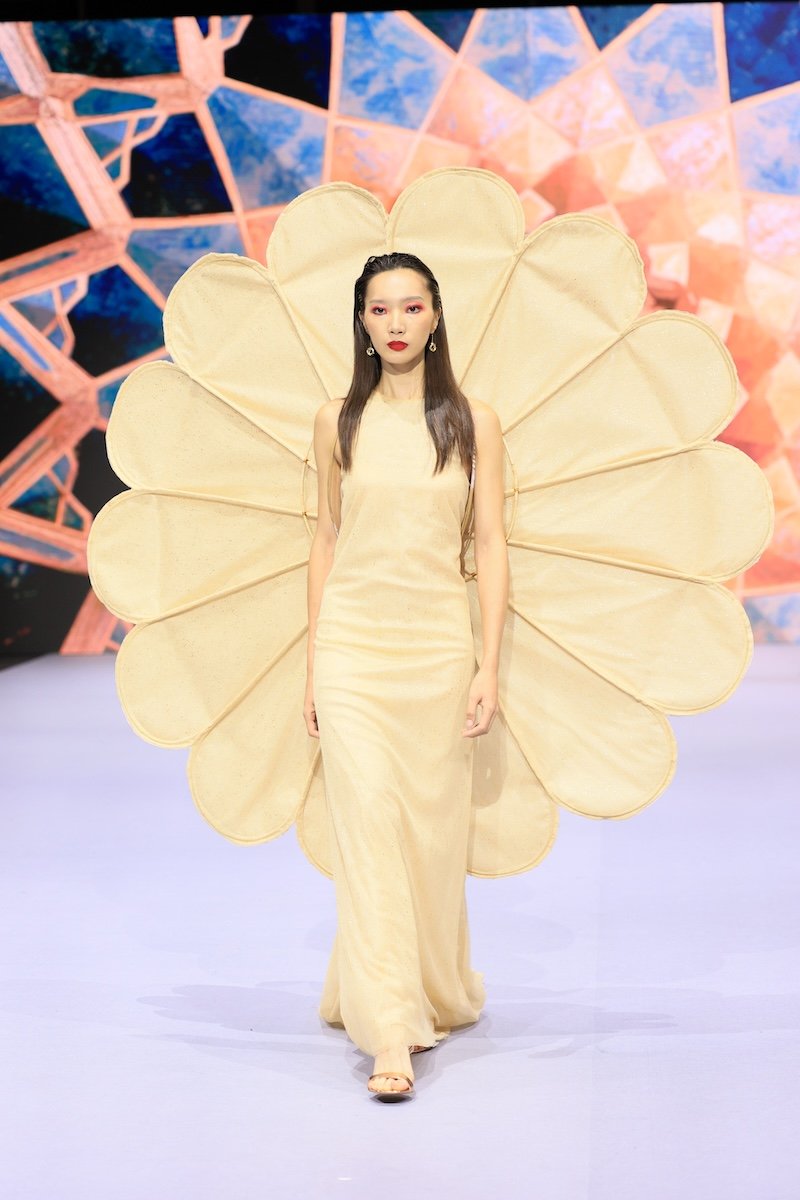
Looks 01 through 10 from AtelierYVF’s 2026 CENTRESTAGE runway collection.
Inspired by the concentric shapes of muqamas and the sands of the desert, AtelierYVF’s show at this year’s CENTRESTAGE event. The collection is titled ‘Transoxiane: Terre & Paradis’, a play on ‘transoxiana’, meaning the region and civilisations within central Asia. Terre and paradis refer to earth and paradise respectively in French, the mother tongue of both the minds behind AtelierYVF. During a trip to Uzbekistan earlier this year its co-founders Alexandre Viale-Bertheliér and Yasmina Viale-Fraine fell in love with the seemingly endless landscape of rolling sands and cloudless blue skies. Upon asking a local passerby, he simply stated that it was ‘earth and paradise’, effectively inspiring her to create a collection dedicated to its beauty.
“You had to take pictures, even if you aren’t a photographer.”
The ‘YVF’ in the brand’s name stands for its founder and main artisan’s initials. Viale-Fraine chose to step back from what she’s known for. In shows such as last year's CENTRESTAGE runway, AtelierVF’s signature intricate embroidery, pleating, and draping. This year, however, she strips her work down to its bones. Almost all of the looks presented at the CENTRESTAGE event were monochrome in nature, forcing viewers to focus on the shape of each garment and the way it moves instead. “Lots of my work takes vertical form,” Viale-Fraine explains in an interview directly following the show, “this vertical-ness in its most material, grounded way. Hong Kong is very vertical, with the skyscrapers, but also deeply spiritual. Even in a city like Hong Kong that looks so futuristic and industrial, you have that spirituality in shrines and temples and such.”
Much of AtelierYVF’s work over the years has focussed on the concept of East-meets-West, and the Transoxiane collection is no different. In Transoxiane, Viale-Fraine takes us on a journey along the Amu Darya river. starting from China and stopping briefly in central Asia on its way to Europe. “I wanted it to be pure, clean-cut and focusing on Chinese heritage, so that’s why we have a lot of contemporary qipaos,” Viale-Fraine elaborates, gesturing to the mandarin collars and frog buttons adorning the garments in question. “It was very clear to me that yes, I needed my sifu to come in and give us his stamp of approval. With this runway, it was even more important than ever before to stay true to the conventions and tradition of Chinese fashion.”
Another key part of the collection that plays into Chinese fashion history is the materials. Many garments that took to the runway were made out of mud silk. During its production in southern China the freshly spun fabric is beaten into the mud on the ground to make it thicker upon drying. The process is repeated twenty to thirty times, until the other side of the fabric takes on a black leather-like coating.
When asked further about the more technical elements behind this collection, Viale-Fraine cites Look 9 (see above) to be the most labour, time and material intensive. It was only possible, she reports, through extensive hours of work from one of her interns Lily: “We learned how to pleat them by sandwiching the fabric with paper. The paper has patterns printed on it, and then you literally cook it. It is extremely time consuming, even more so than embroidery. They are also all attached together, so we had to make sure every pleat was seamless.” While the material itself appears in the collection’s titular sand colour, the edge of each pleat is dyed a rich, vibrant shade of cyan. She finishes by stating that they’d spent almost a month just attaching all the panels together, and that even someone like her, who deeply enjoys repetitive work like embroidery, found it more than tedious.
“We collaborated with someone to dye the pleats panel by panel,” the designer continues, “and that’s another reason we tried so hard to not overload on details. I wanted the look to be perfect, to keep that flowy, architectural element.” Upon closer inspection, the techniques used aren’t simple box pleats either. The edges curve slightly to take a more organic shape, leaning further into Transoxiane’s emphasis on letting the shape and structure of each garment speak for itself. With several of the looks on the runway, models were instructed to play with the construction of the garments to show them off in all their forms, as Viale-Fraine puts it regarding the blue qipao [Look 04], “the girls had really beautiful figures, but with this look it was so bulky, you don’t really expect it to be so flowy. And then she opens it, elongating the silhouette while still keeping that feeling of dignity.”
“The first look and last look were made from bamboo. I worked on that with other artists from HART HAUS, Zat Haap. They work mostly with bamboo to make sculptures, and their work was crucial to making sure that we could have those huge, voluminous shapes, but they’re not so heavy that our models cannot move.”
The runway ended on a high note, featuring Look 10 with what looks like a huge, architectural flower secured to the model’s back. “We call it the flower, but it is actually the domed roof of many buildings from when we visited Uzbekistan,” Viale-Fraine elaborates. “Many buildings had Arabic, somewhat Russian influences with the huge domed rooves. The big, bulbous structure is a reference to where the astrolabe was discovered, where the science of astronomy was developed. It’s an homage to central Asian culture and how much they contributed to science as we know it today.”
In the future, Viale-Bertheliér and Viale-Fraine plan to lead AtelierYVF further out of its established comfort zone, as well as working with more collaborators to push the boundaries of her art. She concludes by saying: “I like to work with people I don’t know. I hope in the coming months or years, I can work on some more collaborative and participative installations.”
To learn more about the Artist, click here.
About INSIDE HART
Inside HART is a window into our studio where artists experiment, collaborate, and bring their practice to life.
Stay tuned for other journals on the series!
