
On touch, memory, and the intimate relationships that shape who we are.
Much of textile artist Mae Chan’s work revolves around the sensory experience of touch. “I take lots of photos with all the fingers on one hand or of my whole body touching different surfaces. They evoke my feelings or remind me of the past,” she states. Working with her preferred material, wool fibre, often evokes a feeling of cosiness and warmth, while also reminding the artist of her childhood years growing up in a traditional Chinese family.
Textile art runs in the Chan family, with her mother and grandmother frequently practicing crafts such as knitting and crochet. She describes the crocheted covers her mother used to make, which was a common practice for Chinese households in the 1990s when she was growing up to preserve valuable possessions. These items included the television, CD player, speakers, and the leather sofa. Chan jokes that if she could, she would make hand-woven covers for people too. “Even now, my mum still has this habit. She sometimes asks me, ‘Can you bring me some of your spare yarn?’ She even made a hat and scarf for my cat.”
Another part of Chan’s relationship with textile art is its feminist dimension. She notes that many in the contemporary art world do not view textile practices as art, and for the entirety of her first year of study she refused to engage with the medium entirely. Her initial refusal was by proxy a rejection of the assumption that textiles are inherently feminine, and are as such as associated with domesticity or hobbyism, but she eventually chose to embrace her heritage through making textile arts her primary medium.
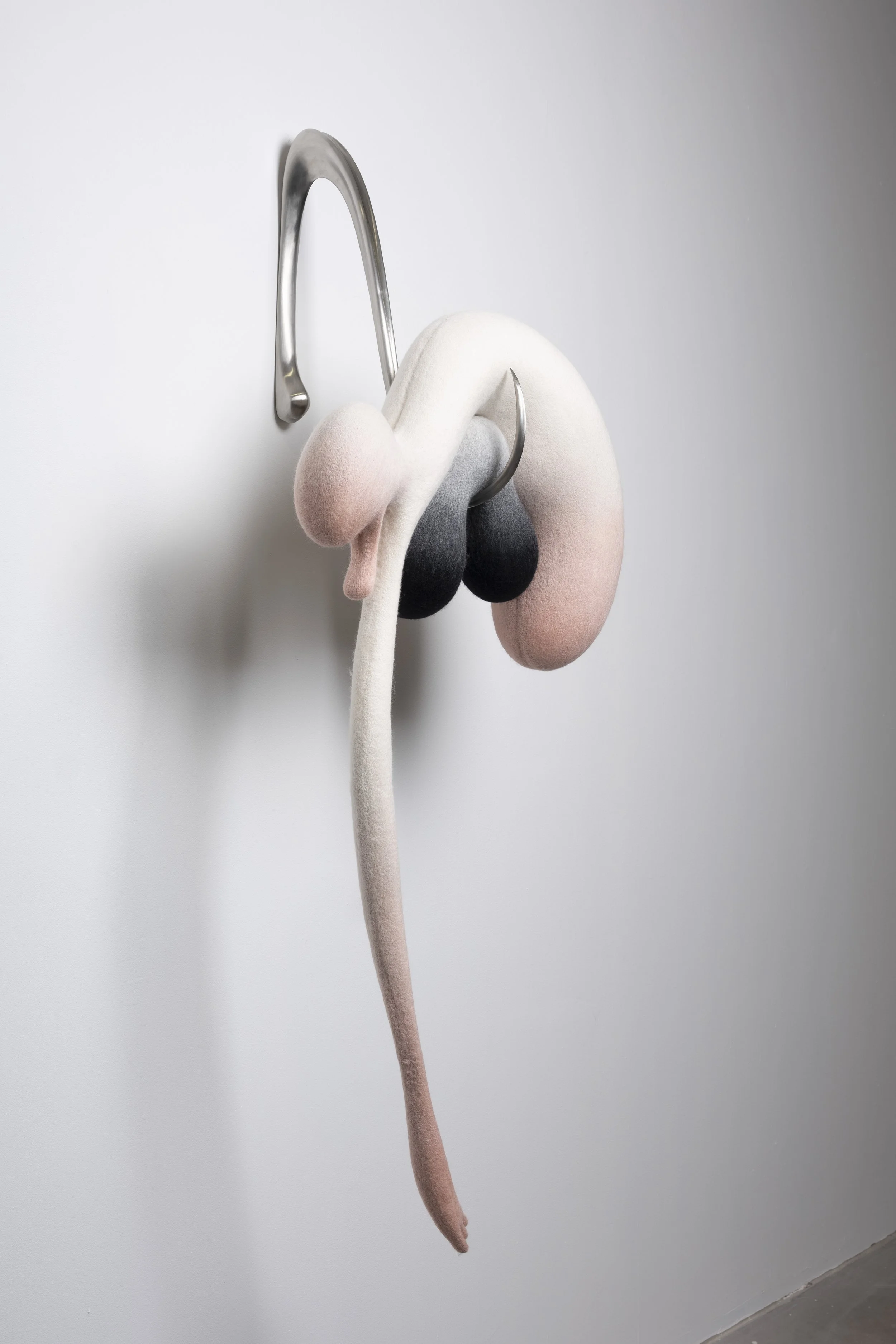
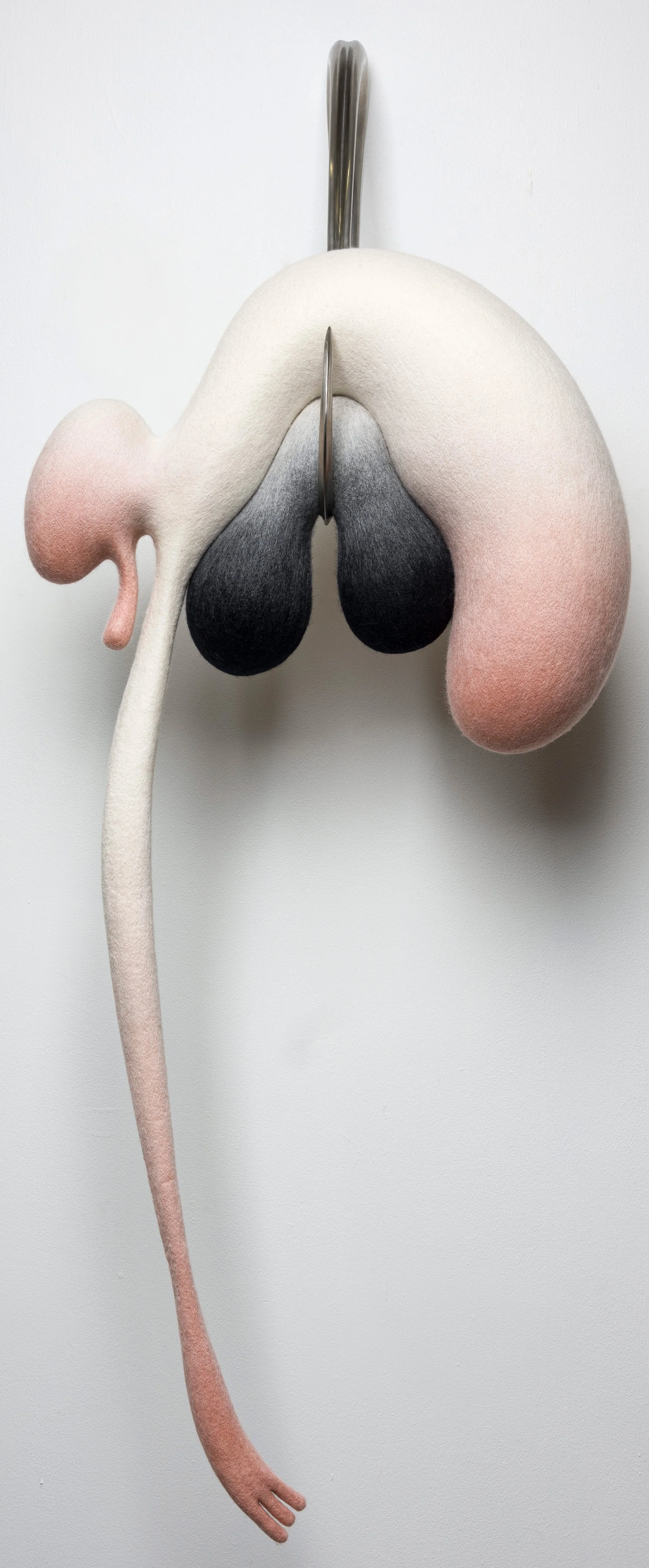
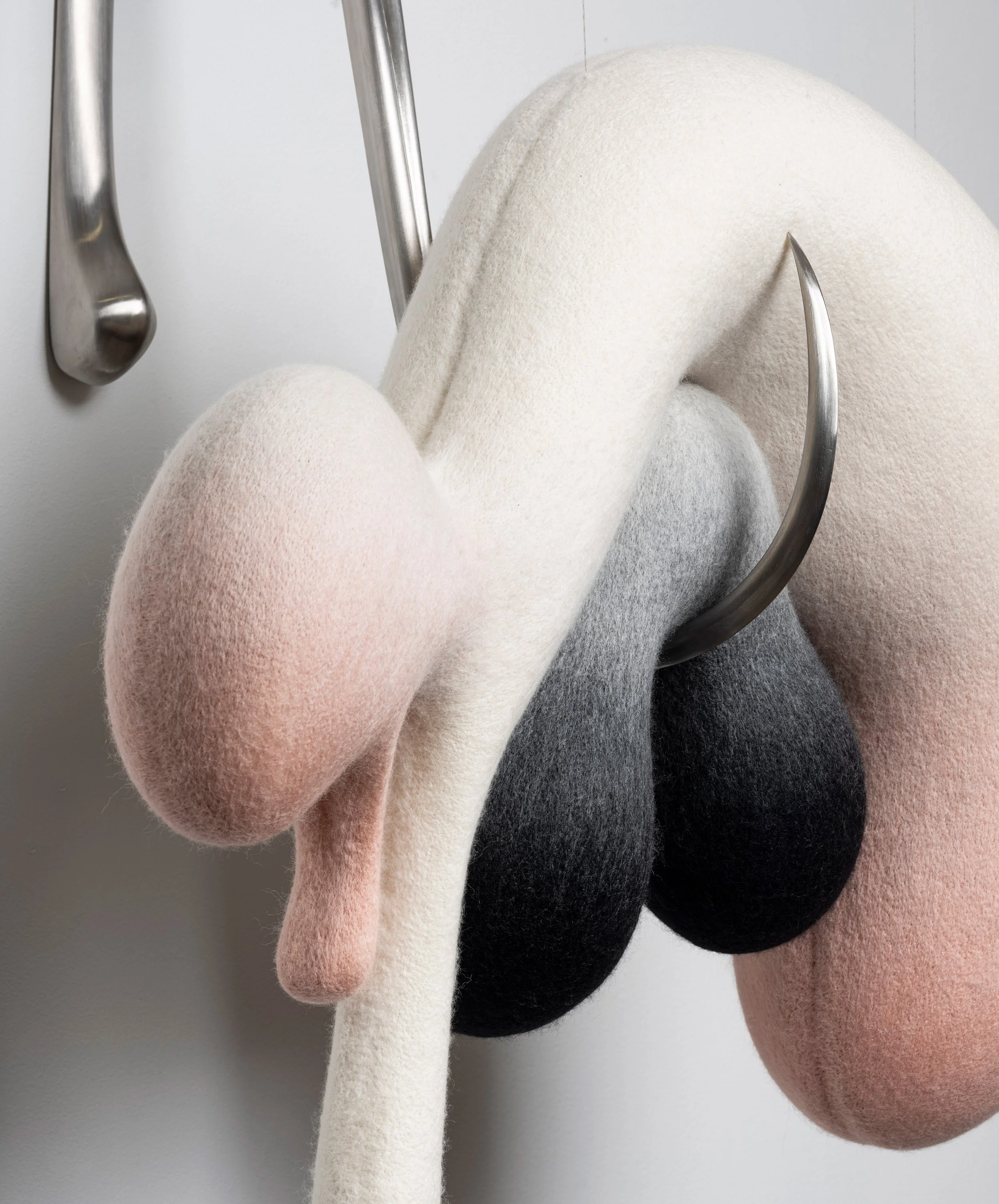
You said you’ll be my baby again (2025)
Chan also works with materials beyond textiles. “If textiles are flesh, then metal and wood are bone and cartilage.” In her sculpture You said you’ll be my baby again (2025) , a tribute to her late cat Chips, she uses wool fibre, expanding foam, wood, and a wall-mounted stainless steel hook. Aside from providing a perch for the sculpture, it also reminded her of Chips’ claws. Chan describes the night that her beloved cat died in her arms, with the point of his claw digging into her skin serving as a tangible reminder of his presence.
Alongside the predominantly white shade of the wool fibre, Chan’s sparing use of colour carries a set of very specific meanings. You said you’ll be my baby again (2025) features two forms: a smaller black-tipped figure and a larger one with soft, rosy pink ends wrapped around it. The smaller form represents Chips in his final moments, with black symbolising his impending mortality and the last traces of his energy draining away. The larger form depicts the artist herself embracing him, while with the pink hues represent her own vitality. The death of her cat impacted Chan deeply, creating the sculpture helped her process that grief.
“When people grieve it can be really heart-breaking, and it hurts physically. It’s not just emotional, but you feel it in your chest.”
Much of Chan’s work explores complex emotions and relationships in a similar way. Her portfolio is often characterised by organic forms, with a range of desaturated colours appearing at the ends. When selecting colours, Chan follows intuition. “I go with my gut feeling,” she explains. “I craft those shapes or pick the colours, put them together, look at the final piece and go… that’s not bad.” Colours that make reoccurring appearances include black, pink, white, and red, and more deliberation is involved when depicting more somber, subdued feelings.
In You said you’ll be my baby again (2025), the figure representing the artist has one elongated arm draped over the figure representing Chips. The pose takes inspiration from the famous painting The Death of Marat (1793) by French painter Jacques-Louis David, depicting his friend and French revolutionary Jean-Paul Marat in the state following his murder while undergoing a medicinal bath. Chan uses that same pose to convey the exhaustion and grief she experienced during her cat’s final hours, while preserving his memory in a way that echoes David’s original work.
The motif of the long, outstretched arm will also appear in Chen’s upcoming exhibition at HART HAUS in March of 2027. Titled You, the haunting objet petit a, the exhibition aims to explore the artist’s relationship with her mother and the process of grappling with her own identity. Chan states: ”We were really close, but that intimacy brought on a lot of conflicts for me. Who am I? Who should I be?” She describes the way she viewed her mother growing up, going from a daughter and sister to a wife then a mother and eventually, a grandmother, and how her decision not to follow in her mother’s same path became a source of much conflict.
“I didn’t want to be another one of her. I still don’t.”
She explains that this specific project requires much conscious choice and deliberation. Another key element of the exhibition is the concept of ‘intra-action’, coined by feminist theorist and physicist Karen Barad, where in order to develop properties of their own, living things must form relationships through constantly exchanging, influencing and shaping one another. Chan’s work often centres on relationships and self realisation, and her upcoming exhibition is no exception.
During her years at HART HAUS, Chan has hosted many workshops, all of them centred around one principle central to her practice: bringing textile arts to Hong Kong’s wider community. She acknowledges that felting is not only difficult, with a rather steep learning curve, but also a relatively new practice to people in Hong Kong. Due to the city’s hot, humid climate,materials such as wool or cashmere have limited everyday use. As such, she often visits places where the craft remains part of daily life, including France, Scandinavia, Mongolia, Kazakhstan and the UK, bringing back what she learns and sharing it with the community. Being someone who enjoys the process of learning and being taught, Chan places great importance on making her workshops accessible. Rather than asking participants to make sculptures like her own, which is a highly time and labour intensive process, she opts to focus on 2D rather than 3D works.
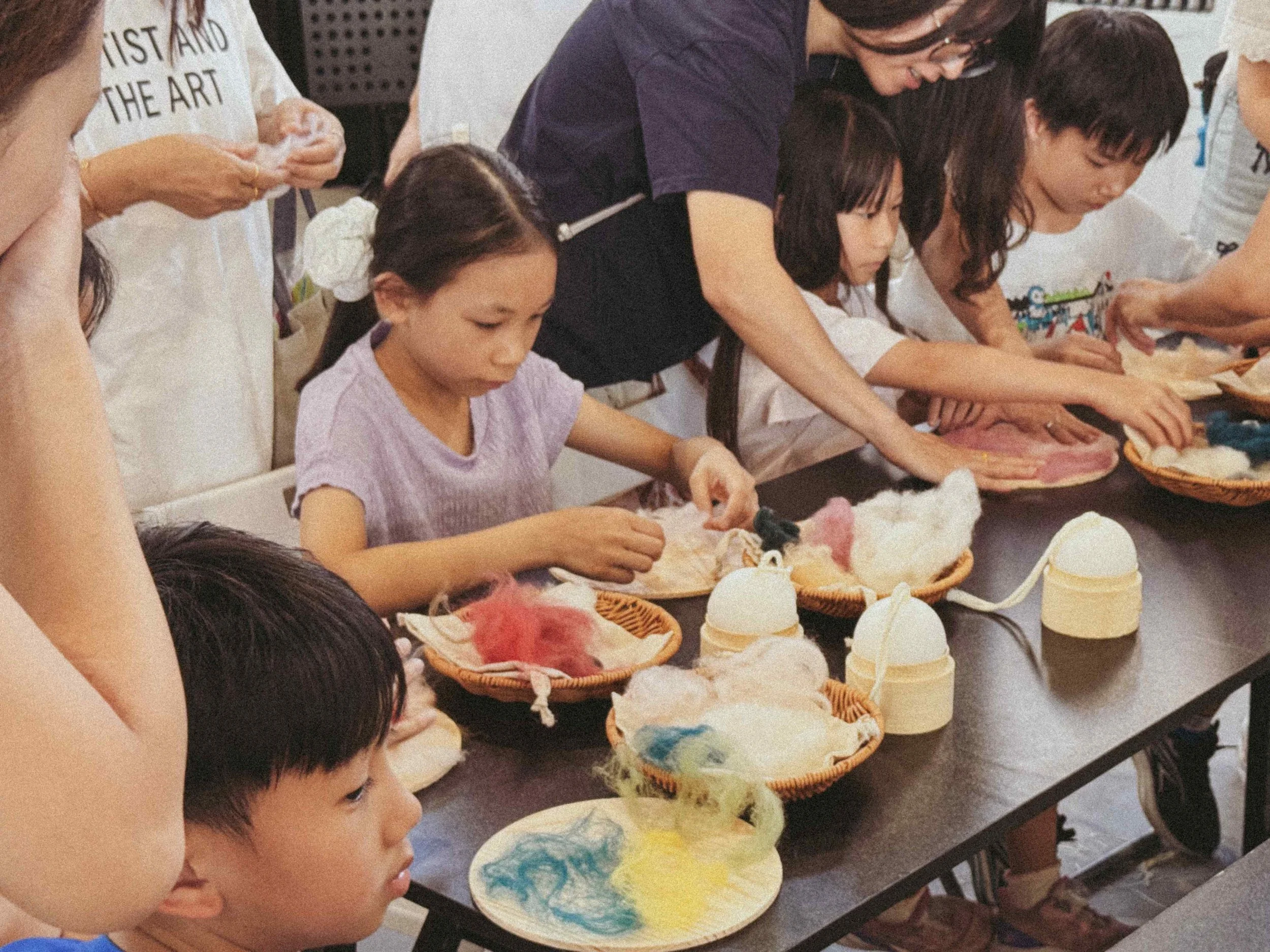
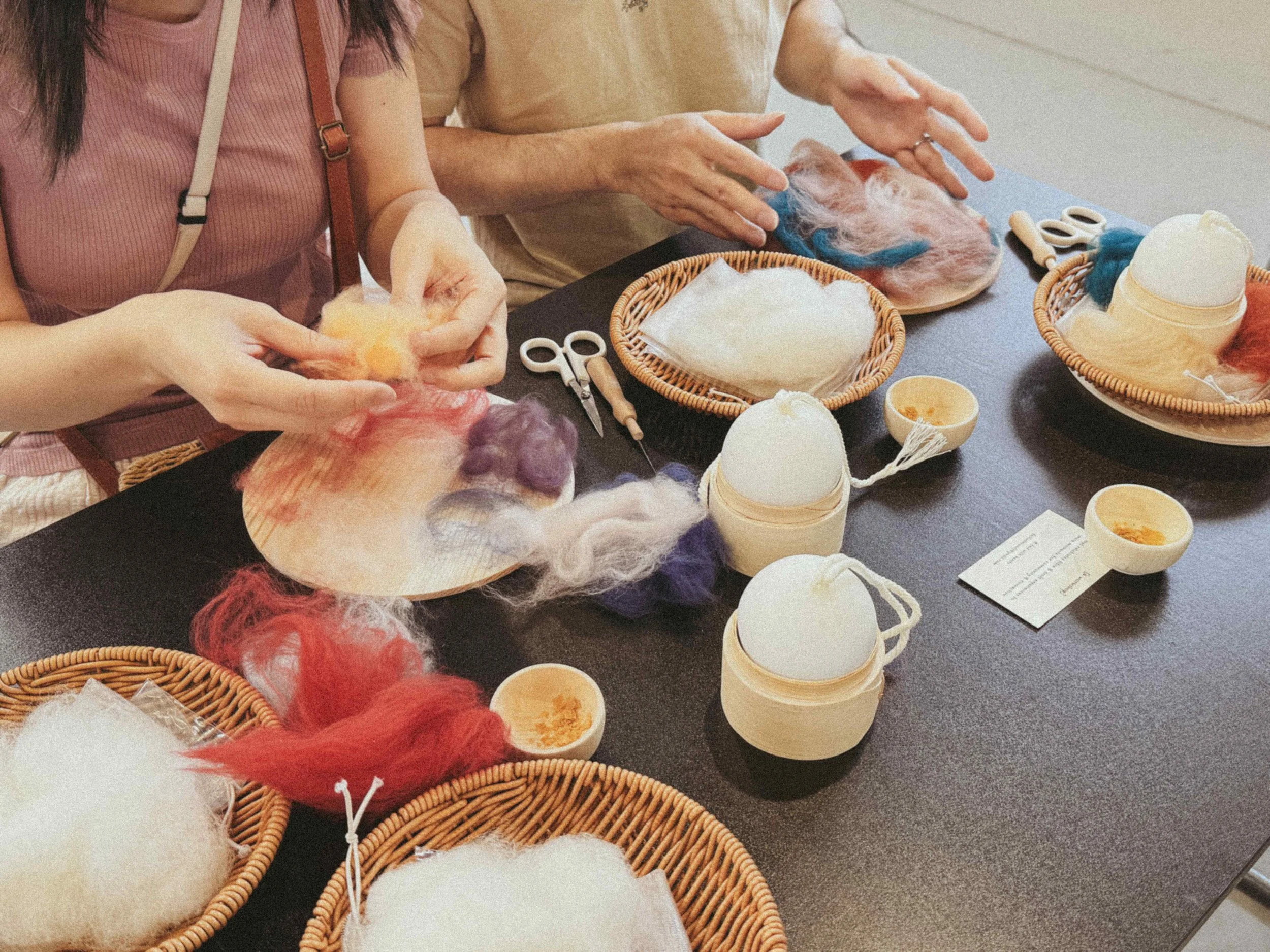
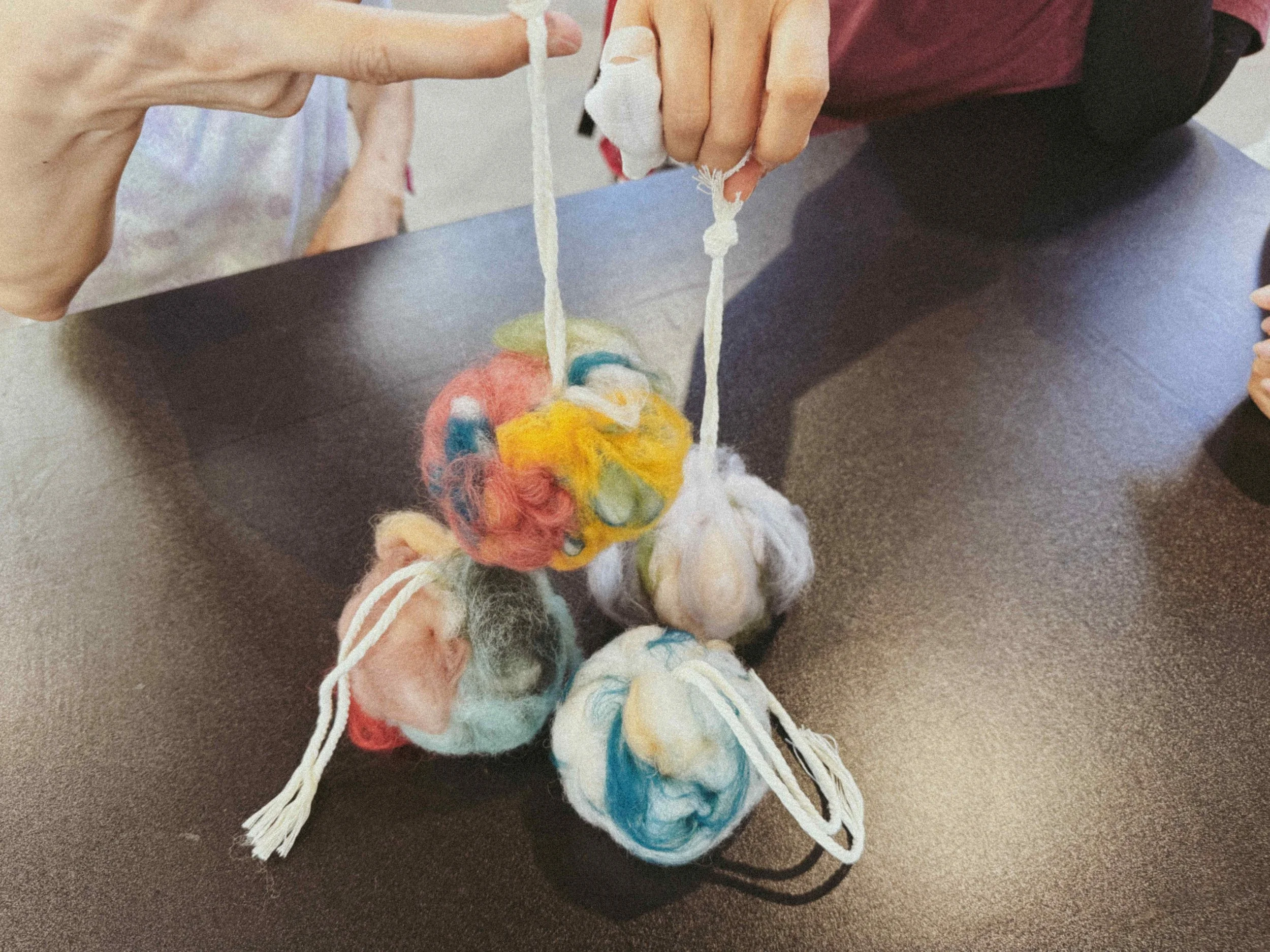
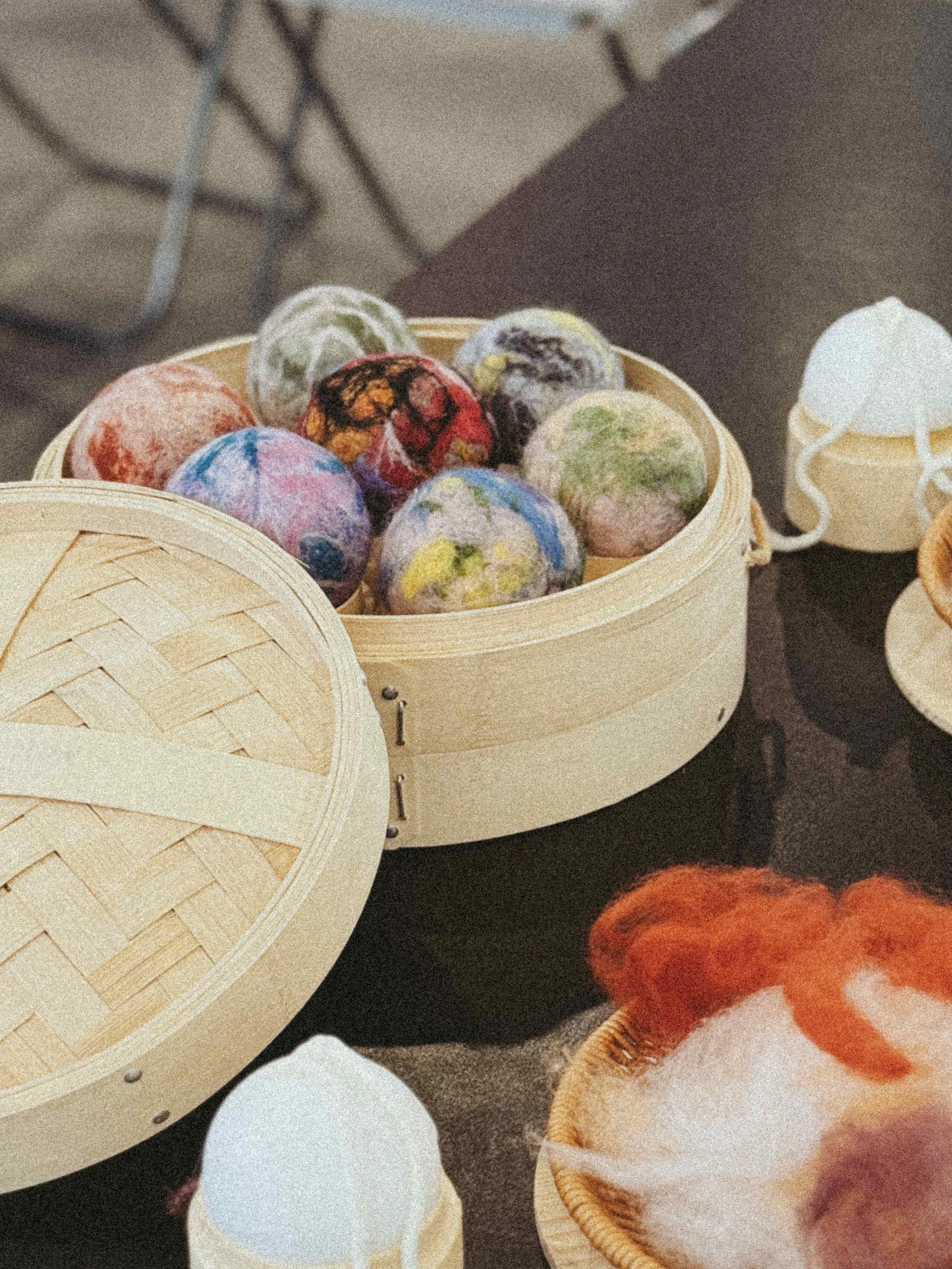
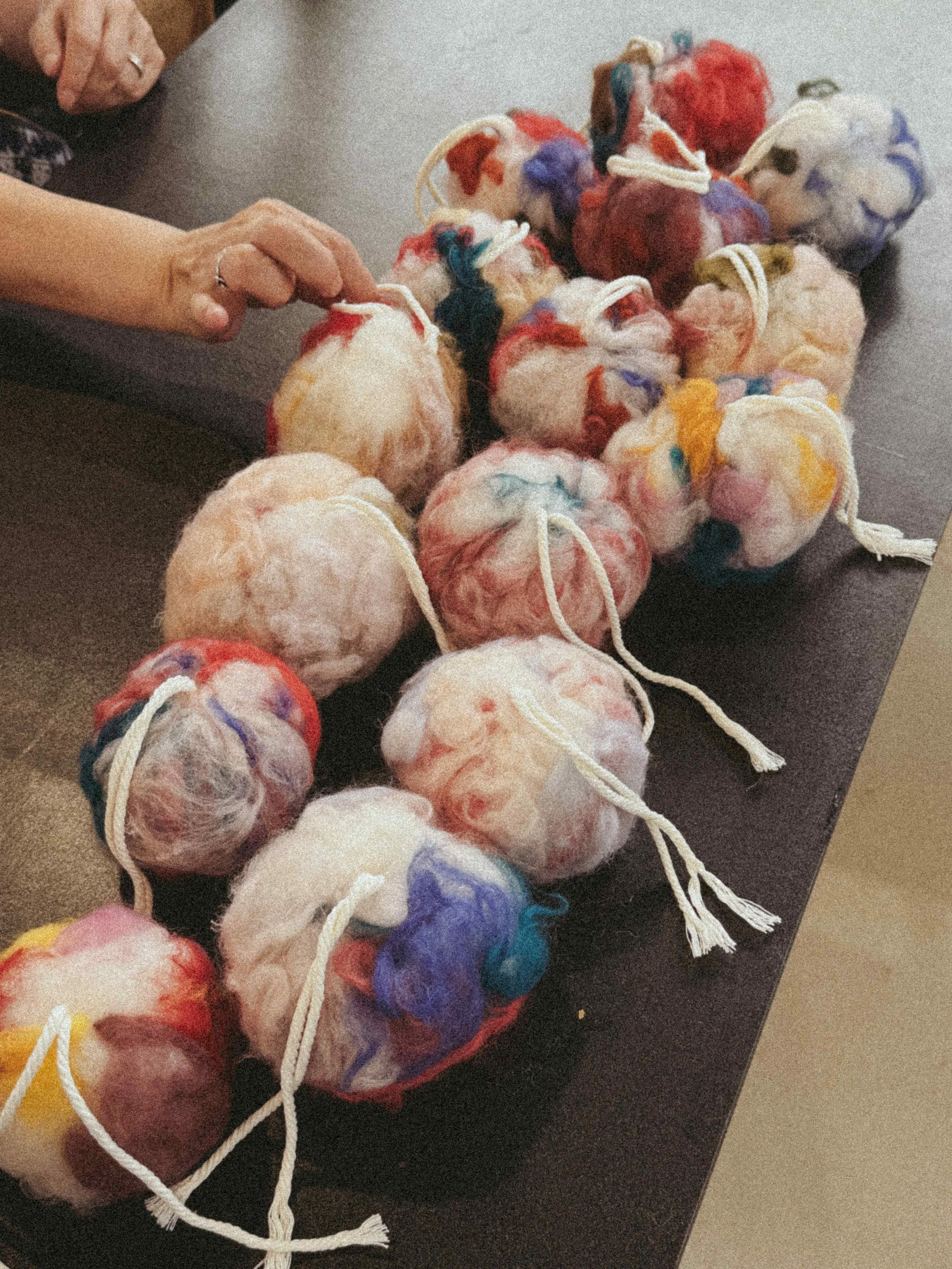
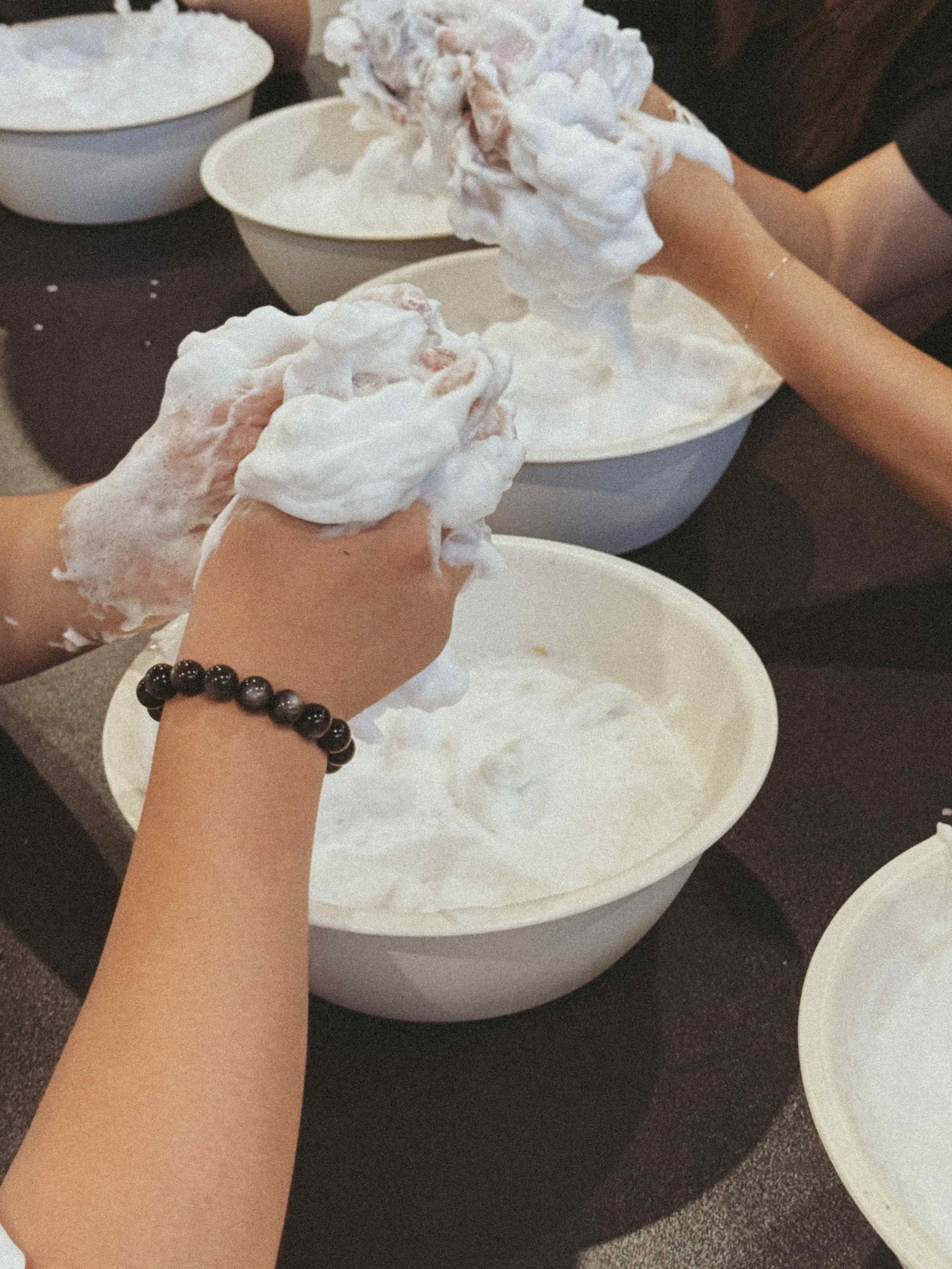
One of her more recent workshops, Felt Memories, did exactly this. Participants were invited to bring in small, significant fabric or fur shed by their pets to incorporate in their works, all in the name of “bringing the fleeting into the tangible”. Each participant’s work engages with what Chan’s practice does best: giving form to the abstract concepts of memory and feeling.
“I need to bend to the will of my materials, because sometimes they take different shapes or directions on their own,” Chan says when discussing the process that goes into her work. Each sculpture takes anywhere from one to three months, and much of it follows a push-and-pull with the fibres she needles. “I need to adjust my approach. It’s more like a two-way street. I have to collaborate with the wool fibre.”
“I feel like I grew up with HART HAUS,” the artist finishes. Over the past four years, she has observed much similarity between the studio dynamic and that of her studies, where she was surrounded by fellow artists who encouraged, critiqued, and inspired each other simultaneously. Her residency at HART HAUS was and is a vital factor supporting the continuation of her artistic endeavours, and will likely continue to be as she navigates her future.
To learn more about the Artist, click here.
About INSIDE HART
Inside HART is a window into our studio where artists experiment, collaborate, and bring their practice to life.
Stay tuned for other journals on the series!
