
INSIDE HART with Dony Cheng
On light, observation and our fading relationship with nature.
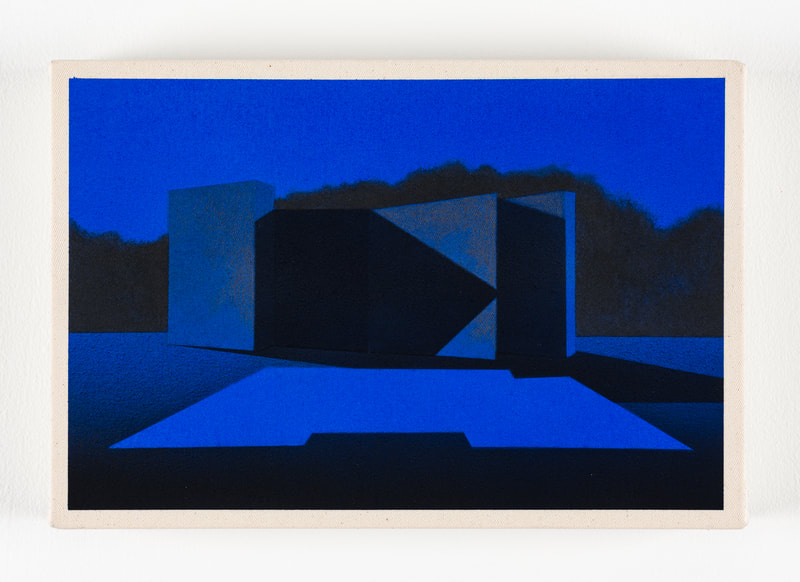
“Serene Nocturnal Visions”
2024
charcoal, soft pastel, pencil, musou black, pigment paste, on canvas
20 x 30 cm
Exhibited at West Bund Art & Design (2024), Shanghai, with Gallery Exit
A key element of Cheng’s work is the repetition of certain visual motifs, with one instance being the horizon and light in all its forms. Her work, at its core, aims to explore the sensory experience of living in a postmodern, highly urbanised world, and the unique blend of organic and man-made. “Light in an urban environment is either very uniform and repetitive or largely unpredictable,” Cheng further elaborates. “Like how natural light can be peeking between the buildings and trees, or the way light reflects off of water when you’re near the shore. Even the light of the moon is often subject to change based on the seasons or weather.” For instance, her art month solo exhibition at Gallery Exit featured similar environments painted in differently coloured light.
Another recurring motif in her artwork is a series of spherical forms closely referencing the phases of the moon. Simply put, they reflect Cheng’s perception of time, similar to how the moon was used in ancient times as a natural calendar to guide them in tasks such as farming and fishing.
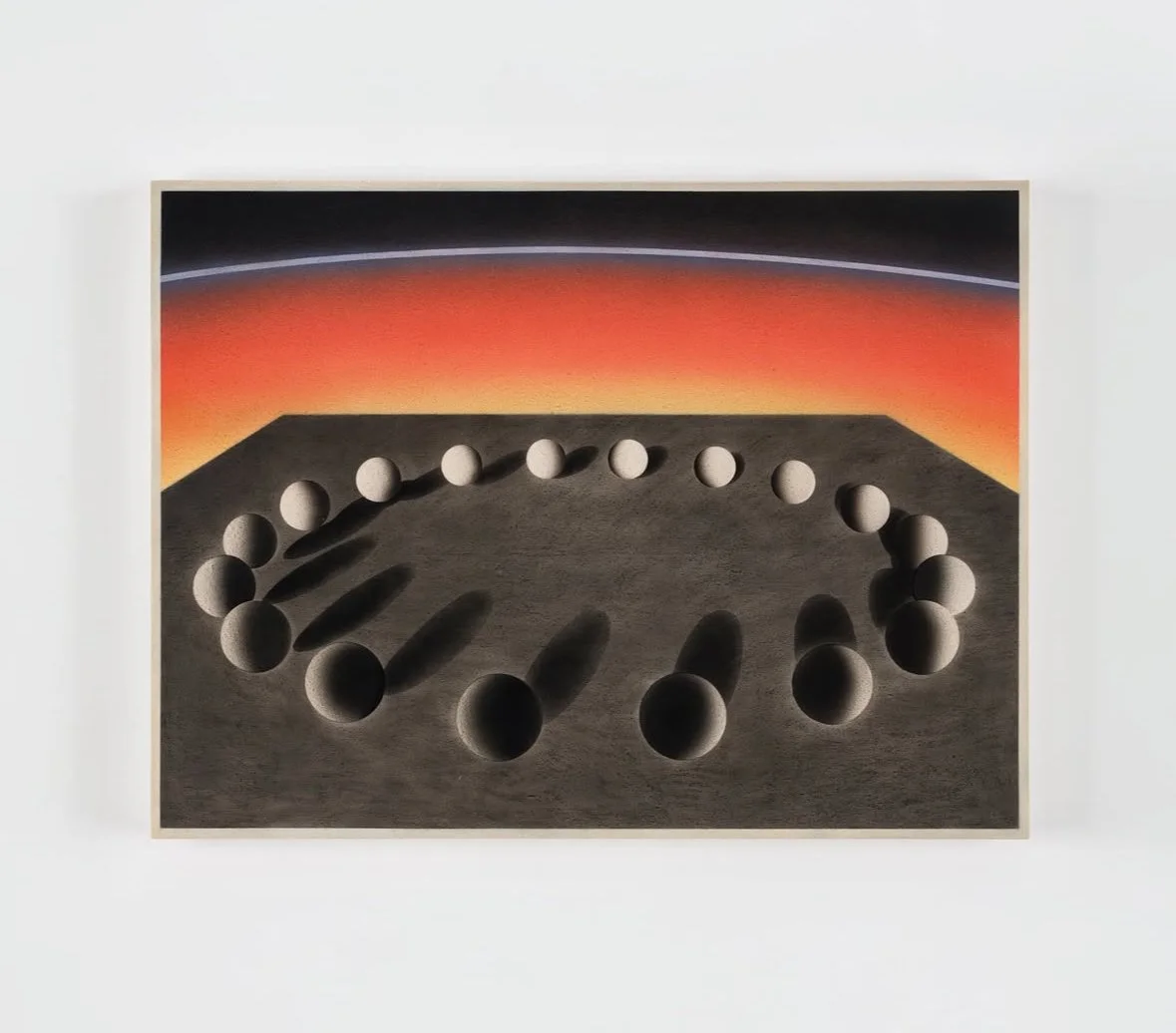
“Lunar Models”
2026
acrylic and soft plaster on canvas
60 × 80 cm
Exhibited at Gallery EXIT (2026), Hong Kong, with Gallery EXIT
“The moon has declined over time in purpose and importance,” she explains. “People used to rely on it, like they did with the tids, and our connection with the laws of nature is slowly dissolving too.” In her own words, modern society no longer reveres and depends on the environment, but rather tramples it underfoot, effectively severing the long-standing ties between human tradition and the natural world.
Even though her art is fairly removed from realism and the need to capture the world around her in perfect detail, a crucial step in Cheng’s artistic process is observation, as she states: “With light for example, you have to observe it from all angles at all times. Even though there will always be light, no matter where you are, you still have to get close enough to see how it is subject to change.”
“My work should preferably be experienced when you’re on your own. You should be the only one in the room, imagining yourself in the landscape of that world and asking yourself questions about how it makes you feel. Maybe when you remember the painting in the future, you’ll have different answers.”
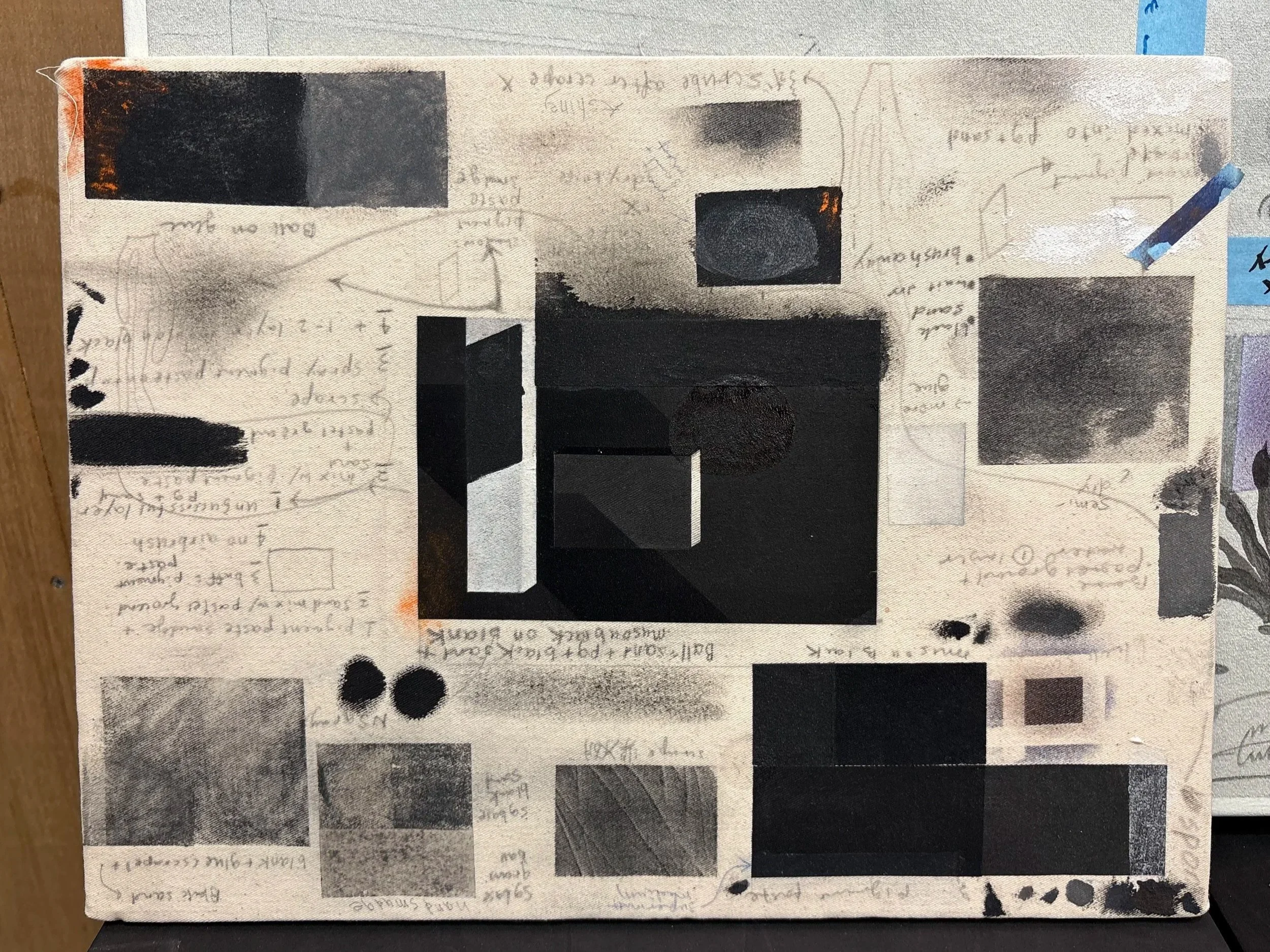
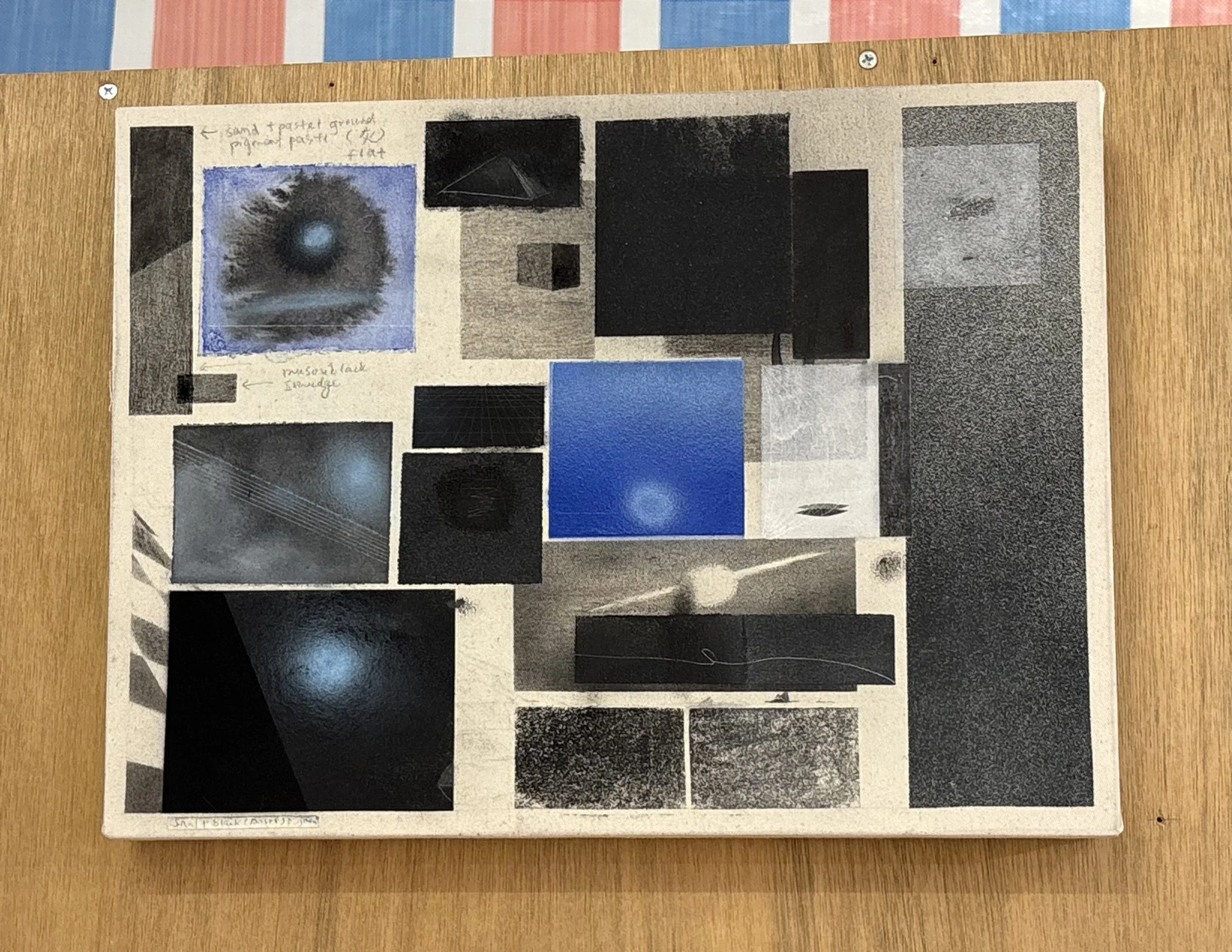
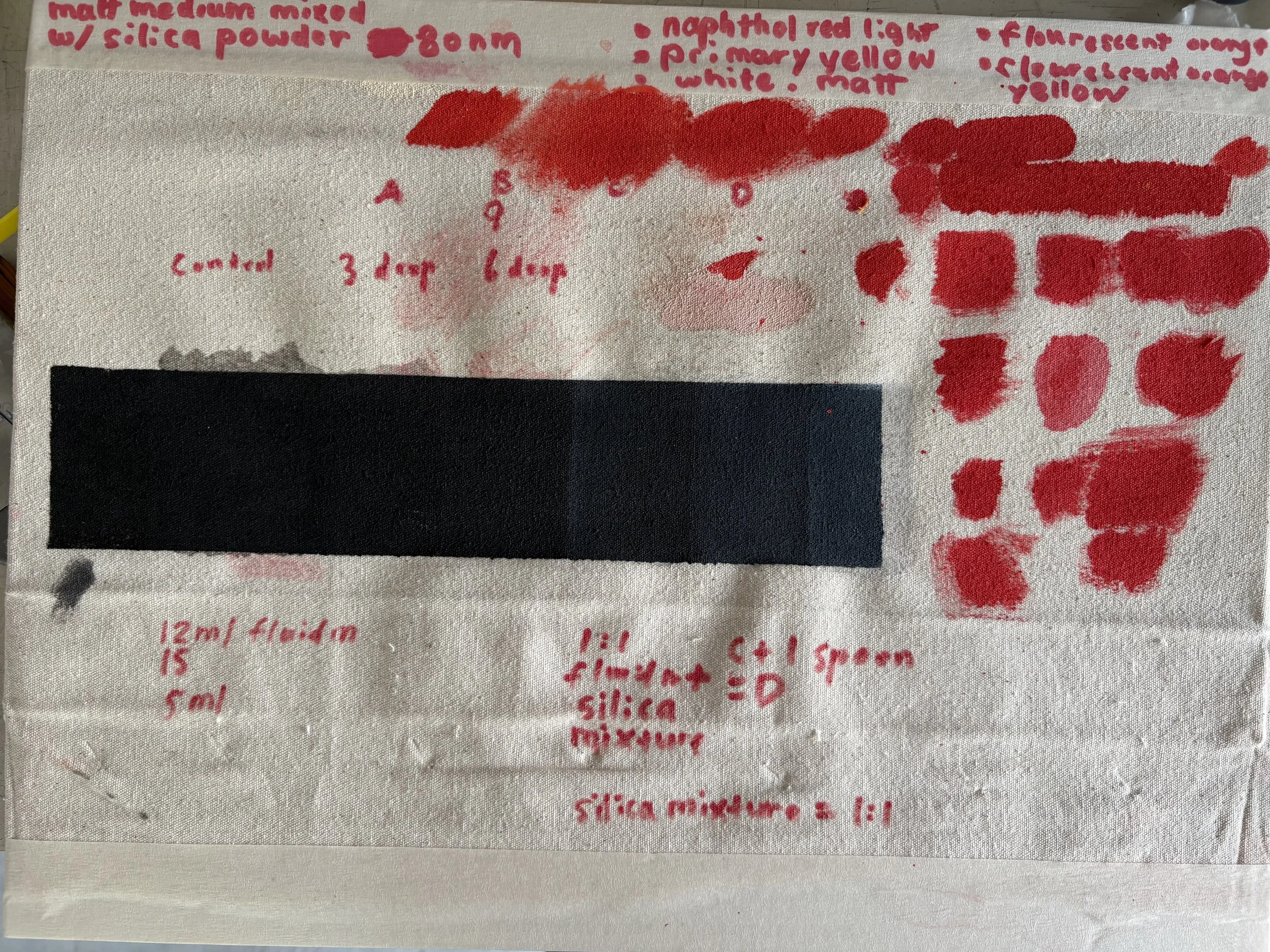
Cheng’s experimental boards featuring media exploration, colour swatches, and process documentation.
For the aforementioned exhibition in particular, Cheng’s goal is to have her work be interpreted in as many ways as possible. She welcomes discourse and different perspectives, and this principle will be carried into her work later down the line. Her willingness to embrace the unknown and experiment shines through in the above testing boards especially, where in the second image specifically she uses sand to create a unique texture in an otherwise solid-coloured section of the paper. When asked about her favourite pieces to date, she instantly cites the experimental boards for future projects in her studio, specifically the new textures and techniques she plans to make use of in the future.
About INSIDE HART
Inside HART is a window into our studio where artists experiment, collaborate, and bring their practice to life.
Stay tuned for other journals on the series!
